
Refrigerators are one of the most essential appliances in modern homes and businesses. They play a crucial role in preserving food, maintaining freshness, and ensuring convenience in daily life. When a refrigerator malfunctions, it can cause significant inconvenience, food spoilage, and unexpected expenses. If you are facing issues with your appliance, finding reliable Daewoo Fridge & Refrigerator Repair Barsha Heights services becomes a top priority.
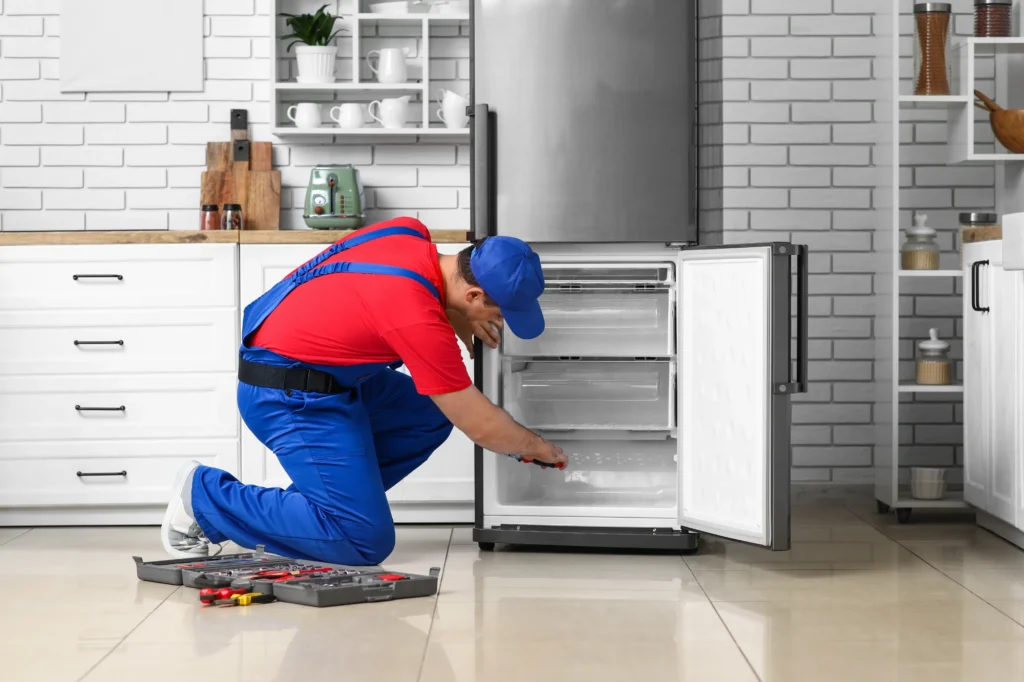
Understanding Daewoo Refrigerators
Daewoo is a well-known brand that manufactures high-quality home appliances, including refrigerators designed for both residential and commercial use. These refrigerators are equipped with advanced cooling systems, digital controls, and energy-saving technologies. Despite their reliability, regular use can lead to technical issues that require attention.
Understanding how your refrigerator works can help you detect early warning signs and prevent major breakdowns.
Common Pain Points in Daewoo Refrigerators
Recognizing common refrigerator issues is essential for maintaining the performance and longevity of your appliance. Daewoo refrigerators are known for their reliability, modern features, and energy efficiency. However, like any household appliance, they can develop problems over time due to regular usage, lack of maintenance, or component wear and tear. Identifying these issues early allows you to take quick action, avoid costly repairs, and ensure your refrigerator continues to function efficiently.
1. Refrigerator Not Cooling Properly
One of the most common issues faced by users is insufficient cooling. This problem can lead to food spoilage, unpleasant odors, and inconvenience in daily life.
Causes:
Poor cooling performance can result from a faulty compressor that fails to circulate refrigerant properly. Dirty condenser coils can reduce the system’s ability to release heat, while low refrigerant levels due to leaks can significantly affect cooling efficiency. A malfunctioning thermostat may also prevent the refrigerator from maintaining the correct temperature.
Solution:
Technicians inspect the cooling system thoroughly to identify the root cause. Cleaning the condenser coils improves heat dissipation and overall performance. If refrigerant levels are low, they are refilled after fixing any leaks. Faulty components such as the compressor or thermostat may need repair or replacement to restore proper cooling.
2. Refrigerator Not Turning On
A refrigerator that won’t start can be both frustrating and alarming, especially when it contains perishable food.
Causes:
This issue may occur due to power supply problems, such as a tripped circuit breaker or loose connection. A damaged power cord or faulty outlet can also prevent the appliance from receiving electricity. In more serious cases, a malfunctioning control board or internal wiring issue may be responsible.
Solution:
Technicians begin by checking the power supply and ensuring the refrigerator is properly plugged in. They inspect the power cord for damage and replace it if necessary. If the issue lies within the control board, professional repair or replacement is required to restore functionality.
3. Excessive Frost Build-Up
Frost buildup in the freezer compartment is another common issue that can reduce storage space and affect cooling performance.
Causes:
A faulty defrost system is usually the main cause of excessive frost. This may include a defective defrost heater, timer, or thermostat. Damaged or worn-out door seals can allow warm air to enter the freezer, leading to condensation and frost formation.
Solution:
Technicians inspect and repair the defrost system components. Replacing faulty heaters or thermostats ensures proper defrosting. Additionally, damaged door seals are replaced to prevent warm air from entering the freezer, maintaining the correct internal environment.
4. Water Leakage
Water leakage inside or outside the refrigerator is a serious issue that can damage floors and surrounding areas if not addressed promptly.
Causes:
A blocked defrost drain is one of the most common reasons for water leakage. Food particles, ice, or debris can clog the drain, causing water to overflow. A cracked or damaged water line can also result in leaks, while a faulty water inlet valve may disrupt proper water flow.
Solution:
Technicians clean the defrost drain to remove any blockages and ensure smooth drainage. Damaged water lines are repaired or replaced, and faulty valves are fixed to restore proper water flow. Regular cleaning helps prevent future leakage problems.
5. Unusual Noises
Refrigerators are designed to operate quietly, so any unusual noises such as buzzing, clicking, or rattling should not be ignored.
Causes:
A faulty fan motor can produce loud or irregular sounds. Loose components inside the refrigerator may cause rattling noises during operation. Compressor issues can lead to buzzing or humming sounds. In some cases, foreign objects stuck in the fan or vents may also create noise.
Solution:
Technicians carefully inspect the appliance to identify the source of the noise. Loose parts are tightened, and any foreign objects are removed. If the fan motor or compressor is damaged, it may need to be repaired or replaced. Regular maintenance can help prevent such issues.
6. Refrigerator Overheating
Sometimes, users may notice that their refrigerator feels unusually hot on the outside. This can indicate an underlying issue that needs attention.
Causes:
Dirty condenser coils are a primary cause of overheating, as they prevent heat from dissipating efficiently. Poor ventilation around the appliance can also trap heat, while continuous compressor operation due to internal faults can increase temperature.
Solution:
Cleaning the condenser coils is one of the most effective ways to resolve overheating. Ensuring proper airflow around the refrigerator by maintaining adequate space from walls improves ventilation. Technicians may also inspect the compressor to ensure it is functioning correctly.
7. Bad Odors Inside the Fridge
Unpleasant odors inside the refrigerator can make food storage uncomfortable and indicate hygiene issues.
Causes:
Spoiled or expired food is a common cause of bad odors. Bacteria buildup due to poor cleaning can also contribute to unpleasant smells. Blocked airflow inside the refrigerator may trap odors and make them more noticeable.
Solution:
Regular cleaning of the refrigerator interior is essential to eliminate odors. Removing expired food and wiping surfaces with mild cleaning solutions helps maintain hygiene. Using baking soda or odor absorbers can also keep the fridge smelling fresh.
Importance of Professional Repair Services
Choosing professional Daewoo Fridge & Refrigerator Repair Barsha Heights services ensures reliable and long-lasting solutions.
1. Expert Diagnosis
Trained technicians can quickly identify the root cause of the issue.
2. Genuine Spare Parts
Using original parts ensures durability and performance.
3. Time Efficiency
Quick repairs minimize downtime and inconvenience.
4. Cost Savings
Timely repairs prevent expensive replacements.
5. Warranty Protection
Professional services often include repair warranties.
Signs You Need Immediate Repair
Ignoring early warning signs can lead to major problems.
- Inconsistent cooling
- Food spoiling quickly
- Unusual noises
- Water leakage
- Increased electricity bills
If you notice any of these signs, it’s time to contact a professional repair service.
Benefits of Timely Repairs
- Prevents food wastage
- Reduces energy consumption
- Extends appliance lifespan
- Improves efficiency
- Avoids costly breakdowns
Daewoo Refrigerator Error Codes: Meanings, Causes, and Solutions
Modern Daewoo refrigerators are equipped with advanced diagnostic systems that help identify problems quickly and efficiently. When something goes wrong, the appliance displays error codes that indicate specific faults. These codes are extremely useful for both users and technicians, as they simplify troubleshooting and help prevent further damage. Understanding Daewoo refrigerator error codes can save time, reduce repair costs, and ensure your appliance continues to operate smoothly.
1. E1 Error Code – Temperature Sensor Fault
The E1 error code indicates a problem with the refrigerator’s temperature sensor.
Causes:
This issue may occur when the sensor becomes faulty, disconnected, or damaged due to wear and tear. Wiring issues or moisture exposure can also affect sensor performance.
Solution:
A technician will inspect the sensor and its connections. If the sensor is defective, it will be replaced to restore accurate temperature control and ensure proper cooling.
2. E2 Error Code – Freezer Sensor Malfunction
This error code points to a fault in the freezer compartment sensor.
Causes:
The sensor may fail to detect the correct temperature due to internal damage or wiring issues. This can result in improper freezing or temperature fluctuations.
Solution:
Replacing the freezer sensor is usually necessary. Professional technicians ensure proper installation and calibration to maintain consistent freezing performance.
3. E3 Error Code – Defrost System Failure
The E3 error code indicates that the defrost system is not functioning properly.
Causes:
A faulty defrost heater, timer, or thermostat can prevent ice from melting, leading to frost buildup. Over time, this reduces airflow and cooling efficiency.
Solution:
Technicians inspect the defrost system components and replace any faulty parts. Regular maintenance can help prevent this issue from recurring.
4. E4 Error Code – Cooling System Problem
This error code suggests that the refrigerator is not maintaining the correct temperature.
Causes:
Possible causes include a faulty compressor, low refrigerant levels, or blocked airflow due to dirty condenser coils or vents.
Solution:
Experts clean the coils, check refrigerant levels, and inspect the compressor. Depending on the issue, repair or replacement of components may be required.
5. E5 Error Code – Fan Motor Issue
The E5 error indicates a problem with the internal fan motor.
Causes:
A blocked, worn-out, or electrically faulty fan motor can prevent proper air circulation inside the refrigerator, leading to uneven cooling.
Solution:
Technicians clean or replace the fan motor to restore proper airflow and ensure consistent temperature distribution.
6. E6 Error Code – Communication Error
The E6 error code indicates a communication failure between internal components.
Causes:
This may occur due to damaged wiring, loose connections, or a malfunctioning control board. Power fluctuations can also contribute to this issue.
Solution:
A technician will inspect the wiring and control board. Repairing or replacing faulty components resolves the communication problem.
7. E7 Error Code – Ice Maker Fault
This error code is related to issues in the ice maker system.
Causes:
A blocked water line, faulty water inlet valve, or defective ice maker unit can trigger this error.
Solution:
Cleaning the water line and replacing damaged components ensures proper ice production and functionality.
8. E8 Error Code – Low Voltage Warning
The E8 error indicates that the refrigerator is receiving insufficient voltage.
Causes:
Power supply fluctuations, unstable electrical connections, or issues with the power outlet can cause this problem.
Solution:
Ensure the refrigerator is connected to a stable power source. Using a voltage stabilizer can help protect the appliance from electrical damage.
9. E9 Error Code – High Temperature Alert
This error appears when the internal temperature rises above the recommended level.
Causes:
Frequent door opening, overloading, or cooling system failure can cause temperature increases. Damaged door seals may also allow warm air to enter.
Solution:
Check the door seal and ensure it closes properly. Avoid overloading the fridge and maintain proper airflow. If the issue persists, professional inspection is required.
10. E10 Error Code – Door Open Warning
The E10 error indicates that the refrigerator door has been left open for an extended period.
Causes:
Improperly closed doors or worn-out door seals can trigger this warning. Misaligned doors may also contribute to the issue.
Solution:
Ensure the door is fully closed and replace damaged seals if necessary. Adjusting door alignment can also resolve the problem.
Importance of Local Repair Services
Local Daewoo Fridge & Refrigerator Repair Barsha Heights services offer:
- Faster response time
- Same-day service
- Affordable pricing
- Better understanding of customer needs
Repair vs Replacement
Sometimes users are unsure whether to repair or replace their refrigerator.
Repair if:
- The issue is minor
- Appliance is less than 8–10 years old
- Repair cost is reasonable
Replace if:
- Frequent breakdowns occur
- Energy efficiency is low
- Repair costs are too high
Eco-Friendly Appliance Care
Maintaining your refrigerator benefits both your wallet and the environment.
- Reduces energy consumption
- Minimizes electronic waste
- Extends product lifespan
FAQs
1. How quickly can I get Daewoo fridge repair in Barsha Heights?
Most professional repair services offer same-day or next-day appointments depending on availability. Quick response is essential to prevent food spoilage and further damage. Many companies provide emergency repair services for urgent cases. Choosing a local service ensures faster arrival times. Always confirm availability before booking.
2. Why is my Daewoo refrigerator not cooling properly?
Cooling issues can occur due to dirty condenser coils, faulty compressors, or low refrigerant levels. A damaged thermostat may also affect temperature regulation. Regular maintenance can help prevent such problems. Professional technicians can accurately diagnose the issue. Timely repair restores proper cooling efficiency.
3. Are Daewoo refrigerator repairs expensive?
Repair costs depend on the nature of the problem and required parts. Minor issues are usually affordable, while major component replacements may cost more. However, repairs are generally cheaper than buying a new refrigerator. Choosing a reliable service ensures transparent pricing. Regular maintenance reduces repair expenses.
4. How often should I service my refrigerator?
It is recommended to service your refrigerator at least once a year. Regular maintenance helps detect problems early and improves efficiency. Cleaning coils and checking components extend the appliance’s lifespan. Preventive servicing reduces the risk of sudden breakdowns. It also helps maintain energy efficiency.
5. Can I repair my Daewoo refrigerator myself?
Basic maintenance like cleaning coils or checking power supply can be done at home. However, most repairs require professional expertise and tools. Attempting complex repairs may cause further damage or safety risks. It can also void the warranty. Always rely on qualified technicians for major issues.
Call to Action
Are you dealing with a faulty refrigerator and searching for trusted Daewoo Fridge & Refrigerator Repair Barsha Heights services? Don’t let cooling issues, leaks, or unusual noises disrupt your daily routine or lead to food spoilage. Our experienced technicians are ready to provide fast, reliable, and affordable repair solutions right at your doorstep.
We specialize in diagnosing and repairing all types of Daewoo refrigerator problems, from minor faults to major component failures. Using advanced tools and genuine spare parts, we ensure long-lasting results and restore your appliance to peak performance. Whether your fridge is not cooling, not turning on, or displaying error codes, we have the expertise to fix it efficiently.
We understand the urgency of refrigerator repairs, which is why we offer same-day service and flexible scheduling to suit your needs. With transparent pricing, skilled professionals, and a commitment to customer satisfaction, we are the preferred choice in Barsha Heights.
Don’t wait for the problem to get worse. Contact us today to book your Daewoo Fridge & Refrigerator Repair Barsha Heights service and enjoy peace of mind with a fully functional appliance once again!