
In modern homes and commercial kitchens across Dubai Silicon Park, dishwashers have become an essential appliance for maintaining hygiene, saving time, and improving kitchen efficiency. Among various brands, Daewoo dishwashers are widely used due to their affordability, advanced washing technology, and reliable performance.
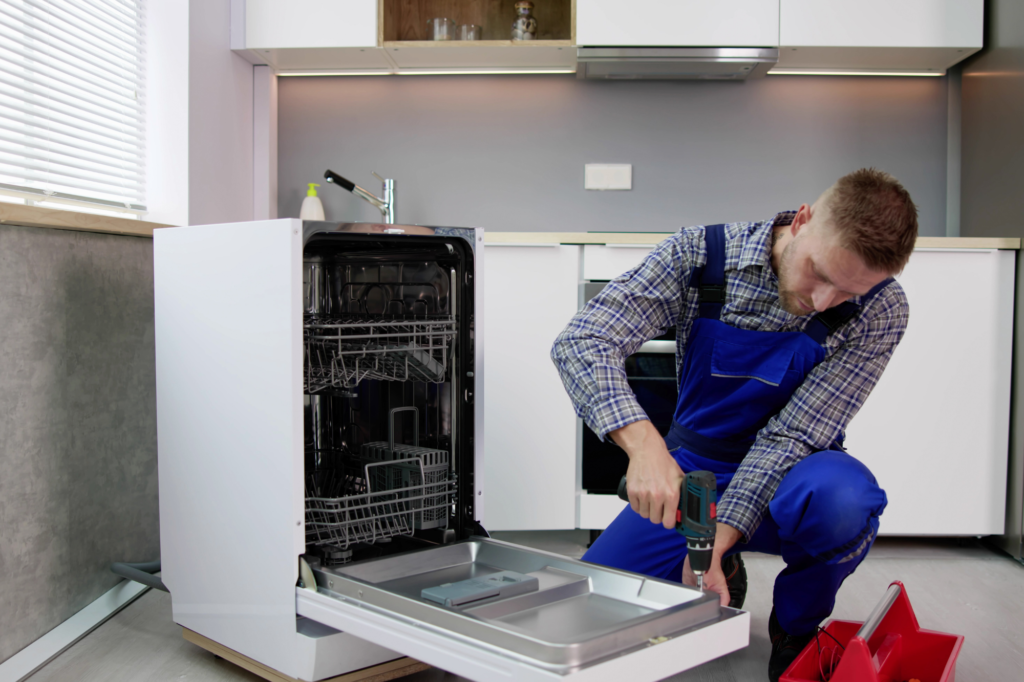
However, like any electrical appliance, Daewoo dishwashers can develop technical issues over time. These issues may start small but can quickly escalate if not addressed properly. That is why professional Daewoo Dishwasher Repair Dubai Silicon Park services are essential for maintaining smooth kitchen operations.
About Dubai Silicon Park – Modern Living & Smart Kitchens
Dubai Silicon Park is a smart, technology-driven residential and commercial hub designed for modern living. Homes and apartments in this area are equipped with advanced appliances, including dishwashers, washing machines, and smart kitchen systems.
With busy professional lifestyles, residents rely heavily on automated kitchen appliances. Dishwashers are especially important because they reduce manual labor and maintain hygiene standards in fast-paced households.
Due to frequent usage, appliances in Dubai Silicon Park are more prone to wear and tear, making timely repair services essential.
Dishwasher Repair Pain Points in Dubai Silicon Park
Dishwashers have become an essential appliance in modern households, especially in fast-paced communities like Dubai Silicon Park. They save time, reduce manual effort, and ensure proper hygiene. However, when a dishwasher starts malfunctioning, it can quickly turn into a major inconvenience. Homeowners often face a variety of pain points that disrupt daily routines and create unnecessary stress. Understanding these common issues helps in identifying problems early and seeking timely repair solutions.
1. Dishwasher Not Cleaning Dishes Properly
One of the most frustrating problems users face is poor cleaning performance. Despite running a full wash cycle, dishes may come out dirty, greasy, or covered in residue. This issue often occurs due to clogged spray arms, low water pressure, or dirty filters. In some cases, the detergent dispenser may not function properly, leading to ineffective cleaning. This forces users to rewash dishes manually, defeating the purpose of owning a dishwasher and increasing water and energy consumption.
2. Water Not Draining
Another common pain point is when water remains inside the dishwasher after a cycle. Standing water not only creates unpleasant odors but also indicates a drainage problem. Blocked drain hoses, faulty drain pumps, or food debris buildup are typical causes. This issue can lead to hygiene concerns and may even damage internal components if left unresolved. Many homeowners find it difficult to identify the root cause without professional assistance.
3. Dishwasher Not Starting
A dishwasher that does not start at all can completely disrupt kitchen operations. Users may press the power button, but nothing happens, or the cycle fails to initiate. This issue can be caused by electrical problems, a faulty door latch, or a malfunctioning control panel. Since dishwashers rely heavily on electronic systems, diagnosing the exact problem can be challenging for non-technical users.
4. Water Leakage Issues
Water leakage is one of the most serious and stressful problems associated with dishwashers. Leaks can occur due to damaged door seals, loose hoses, or cracks in the internal system. Even a small leak can cause significant damage to kitchen cabinets, flooring, and nearby appliances. Additionally, water leakage combined with electrical components poses a safety risk, making immediate repair essential.
5. Unusual Noises During Operation
Dishwashers are designed to operate quietly, so any unusual noise can be alarming. Grinding, rattling, or humming sounds often indicate internal issues such as a faulty motor, worn-out bearings, or foreign objects stuck in the pump. Ignoring these noises can lead to more severe damage over time. Many users struggle to determine whether the noise is normal or a sign of a serious problem.
6. Dishwasher Not Drying Properly
Another frequent complaint is that dishes come out wet after the wash cycle. This problem is usually linked to a faulty heating element, broken thermostat, or poor ventilation. In some cases, improper loading of dishes can also affect drying performance. This issue reduces the overall efficiency of the appliance and requires users to manually dry dishes, which is inconvenient.
7. Bad Odor from Dishwasher
Foul smells coming from the dishwasher can make the entire kitchen unpleasant. This issue is typically caused by food particles trapped in filters, stagnant water, or bacterial growth inside the machine. Regular cleaning can help prevent odors, but persistent smells may indicate deeper issues in the drainage or filtration system. Many homeowners find this problem difficult to eliminate completely without professional servicing.
8. Frequent Error Codes
Modern dishwashers are equipped with digital displays that show error codes when something goes wrong. While these codes are helpful for technicians, they can be confusing for users. Frequent error messages can create anxiety and uncertainty, as homeowners may not understand what the problem is or how serious it might be. Without proper knowledge, users often rely on trial-and-error solutions, which may worsen the issue.
9. Increased Energy and Water Consumption
A malfunctioning dishwasher often consumes more water and electricity than usual. Problems such as inefficient heating, prolonged cycles, or repeated washing can significantly increase utility bills. This not only affects household expenses but also reduces the overall efficiency of the appliance. Many users do not realize that higher bills can be a sign of an underlying dishwasher issue.
10. Overheating Problems
Overheating is a critical issue that can affect both performance and safety. A dishwasher that overheats may damage internal components, melt plastic items, or even pose a fire risk in extreme cases. This problem is usually caused by faulty thermostats or heating elements. Users often notice excessive heat or unusual smells but may not understand the seriousness of the issue.
11. Difficulty in Finding Spare Parts
In some cases, repairing a dishwasher becomes challenging due to the unavailability of spare parts. This is especially true for older models or less common brands. Delays in obtaining parts can extend repair time and disrupt daily routines. Homeowners may feel frustrated when their appliance remains unusable for an extended period.
12. Lack of Professional Knowledge
Many users attempt to fix minor dishwasher problems themselves, only to make the situation worse. Without proper tools and technical knowledge, DIY repairs can lead to further damage or safety risks. This creates an additional burden of higher repair costs and longer downtime. Finding a reliable and skilled technician is often another challenge for homeowners.
13. Interruptions in Daily Routine
A faulty dishwasher can significantly impact daily life, especially in busy households. Washing dishes manually takes time and effort, which can be difficult for working professionals or large families. The inconvenience of not having a functioning dishwasher often leads to frustration and stress.
14. Long Repair Waiting Times
Another common pain point is the delay in repair services. Scheduling a technician, diagnosing the issue, and waiting for spare parts can take time. During this period, users are left without a functional appliance. This delay can be particularly inconvenient during gatherings or busy periods.
15. High Repair Costs
Cost is always a concern when it comes to appliance repair. Some issues, such as motor or control board failure, can be expensive to fix. Users often struggle to decide whether to repair or replace the appliance. Unexpected repair expenses can add financial stress, especially if the dishwasher breaks down frequently.
Preventive Maintenance Tips
Regular maintenance reduces repair frequency.
- Clean filters weekly
- Use proper detergent
- Avoid overloading racks
- Run hot water cycles occasionally
- Schedule yearly servicing
Repair vs Replacement Decision
Repair is better when:
- Appliance is under 8–10 years old
- Issue is minor or moderate
- Spare parts are available
Replacement is better when:
- Frequent breakdowns occur
- Repair cost is too high
- Appliance is outdated
Dishwasher Error Codes Explained in Detail
Modern dishwashers are equipped with advanced diagnostic systems that display error codes whenever a problem occurs. These codes act as warning signals, helping users and technicians quickly identify faults within the appliance. While error codes simplify troubleshooting, they can be confusing for homeowners who are not familiar with technical terms. Understanding these codes can help you take the right action and prevent further damage to your dishwasher.
E1 – Water Inlet Error
The E1 error code indicates that the dishwasher is not receiving enough water. This can happen when the water supply is turned off, the inlet hose is blocked, or the water pressure is too low. In some cases, a faulty inlet valve may also be responsible.
When this error occurs, the dishwasher cannot fill properly, which affects the entire washing cycle. Dishes may remain dirty, and the machine may stop mid-cycle. To resolve this issue, check the water supply, ensure the hose is not kinked, and inspect the inlet valve. If the problem persists, professional repair is recommended.
E2 – Drainage Error
E2 is one of the most common dishwasher error codes and indicates a drainage problem. This occurs when the dishwasher fails to remove water after completing a cycle. The most common causes include a clogged drain hose, blocked filters, or a malfunctioning drain pump.
This issue often leads to standing water inside the dishwasher, which can cause bad odors and hygiene concerns. Cleaning the filters and checking for blockages may resolve the issue. However, if the drain pump is faulty, it will need to be repaired or replaced by a technician.
E3 – Heating Error
The E3 error code signals a problem with the heating system. Dishwashers rely on heating elements to warm water for effective cleaning and drying. If the heating element or thermostat fails, the water may not reach the required temperature.
As a result, dishes may come out greasy, wet, or improperly sanitized. This issue not only affects cleaning performance but also increases energy consumption. Fixing this error usually involves replacing the heating element or thermostat, which requires professional expertise.
E4 – Overflow Error
The E4 error code indicates that there is too much water inside the dishwasher. This can happen due to a faulty water inlet valve, a malfunctioning float switch, or excessive detergent usage.
Overflowing water can leak out of the dishwasher and damage surrounding areas, including kitchen cabinets and flooring. It may also pose an electrical hazard. Immediate action is required to prevent further damage. A technician will typically inspect the sensors and valves to resolve the issue.
E5 – Door Lock Error
The E5 error occurs when the dishwasher door is not properly closed or the door latch is faulty. Dishwashers are designed not to operate unless the door is securely locked to prevent water leakage.
If this error appears, the dishwasher will not start or may stop during operation. The issue may be caused by a damaged latch, misaligned door, or worn-out locking mechanism. Repairing or replacing the latch usually resolves the problem.
E6 – Motor or Circulation Error
The E6 error code indicates a problem with the motor or circulation system. The motor is responsible for pumping water through the spray arms to clean dishes effectively. If the motor fails, water circulation is disrupted.
This can result in poor cleaning performance and unusual noises during operation. In some cases, the motor may stop working entirely. Repairing or replacing the motor is a complex task that requires professional assistance.
E7 – Temperature Sensor Error
E7 indicates a malfunction in the temperature sensor, which monitors water temperature during the wash cycle. If the sensor provides incorrect readings, the dishwasher may not heat water properly or may overheat.
This can lead to ineffective cleaning or potential damage to internal components. Replacing the faulty sensor is usually necessary to restore proper operation.
E8 – Water Level Error
The E8 error code points to an issue with water level detection. This can occur when the dishwasher either overfills or does not fill enough. The problem is often linked to a faulty float switch or pressure sensor.
Incorrect water levels can affect washing efficiency and may even cause leakage. A technician will inspect and replace the defective components to fix the issue.
E9 – Continuous Filling Error
E9 occurs when the dishwasher keeps filling with water beyond the required level. This is usually caused by a stuck inlet valve or a malfunctioning control board.
This issue can lead to water overflow and potential flooding if not addressed quickly. Turning off the water supply and seeking professional repair is essential to prevent damage.
E10 – Communication Error
The E10 error code indicates a communication failure between the dishwasher’s electronic components. Modern dishwashers rely on control boards and sensors that must work together seamlessly.
If there is a wiring issue or control board malfunction, the dishwasher may stop functioning entirely. Diagnosing this problem requires specialized tools and expertise, making professional repair necessary.
Why Understanding Error Codes is Important
Understanding dishwasher error codes provides several benefits. It helps users identify problems early, prevents minor issues from becoming major faults, and reduces repair costs. Instead of guessing what is wrong, users can provide accurate information to technicians, speeding up the repair process.
Error codes also improve safety by alerting users to critical issues such as water leakage, overheating, or electrical faults. Taking immediate action based on these warnings can prevent accidents and protect your appliance.
When to Call a Professional
While some minor issues like cleaning filters or checking hoses can be handled at home, most error codes indicate technical problems that require professional repair. Attempting to fix complex issues without proper knowledge can lead to further damage and safety risks.
Professional technicians have the experience, tools, and expertise to diagnose and repair dishwasher problems efficiently. They can also ensure that genuine spare parts are used, providing long-lasting results.
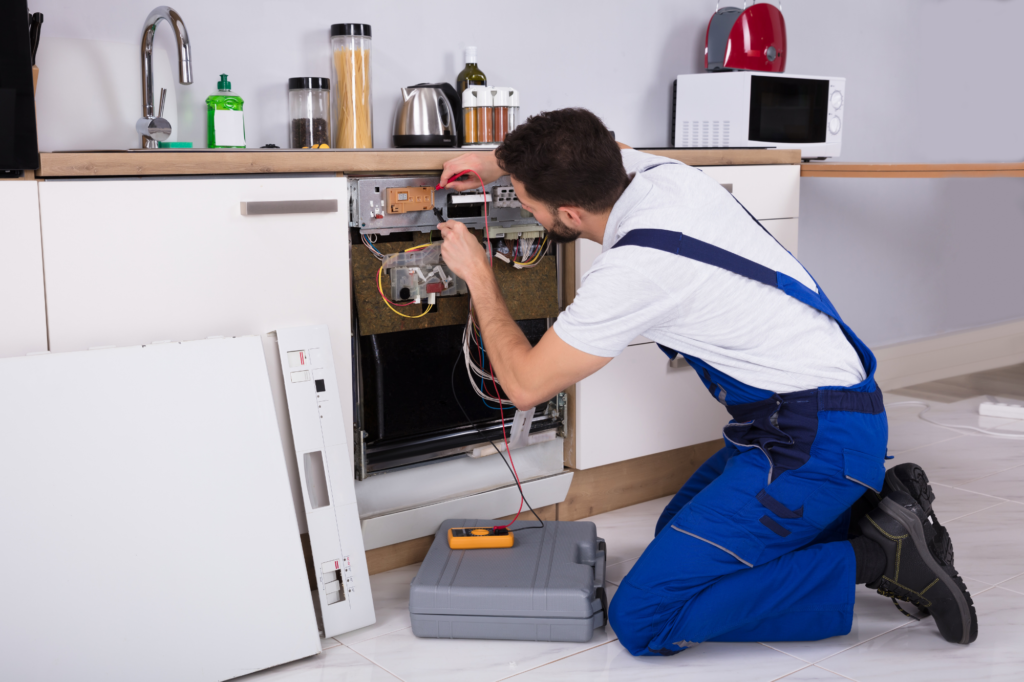
Why Choose Professional Repair Services in Dubai Silicon Park
- Certified technicians
- Fast response time
- Genuine spare parts
- Warranty on repairs
- Advanced diagnostic tools
FAQs
How long does dishwasher repair take?
Most dishwasher repairs typically take between 1–3 hours depending on the type and severity of the issue. Minor problems like clogged filters or drainage blockages can be resolved quickly. However, complex faults involving motors, control boards, or heating elements may require additional time. If spare parts are needed, the repair may take longer depending on availability.
Is it safe to use a faulty dishwasher?
No, using a faulty dishwasher is not recommended as it can lead to serious risks. Problems like water leakage may damage your kitchen floor and cabinets, while electrical faults can cause shock hazards. Continued use can also worsen internal damage and increase repair costs. It is always best to stop using the appliance and call a professional technician.
Can I repair it myself?
Basic maintenance tasks such as cleaning filters, removing food debris, and checking spray arms are generally safe to do at home. However, technical repairs involving electrical components, pumps, or wiring should not be attempted without proper expertise. DIY repairs can lead to further damage or safety risks. Professional technicians ensure safe and accurate repair.
Do repair services offer warranty?
Yes, most professional dishwasher repair services offer a warranty on both parts and labor. This means if the same issue occurs again within the warranty period, it will be fixed without additional cost. A warranty ensures peace of mind and guarantees service quality. Always confirm warranty terms before booking a repair.
How often should a dishwasher be serviced?
A dishwasher should ideally be serviced at least once a year to maintain optimal performance. Regular servicing helps detect minor issues before they turn into major problems. It also improves cleaning efficiency, reduces energy consumption, and extends the appliance’s lifespan. Routine maintenance ensures your dishwasher continues to operate smoothly and safely.
CTA – Book Professional Daewoo Dishwasher Repair Dubai Silicon Park
If your dishwasher is showing signs of malfunction such as poor cleaning, drainage issues, strange noises, or error codes, do not delay repair. Ignoring early symptoms can lead to costly damage and complete appliance failure.
Professional Daewoo Dishwasher Repair Dubai Silicon Park services ensure fast diagnosis, reliable repair, and long-lasting performance. Skilled technicians use advanced tools and genuine parts to restore your appliance efficiently.
Schedule your repair today and enjoy hassle-free kitchen performance, improved hygiene, and complete peace of mind.