
Dishwashers have become an essential part of modern kitchens, saving time, water, and effort in daily cleaning routines. Among reliable appliance brands, Daewoo dishwashers are known for their durability, smart features, and efficient cleaning performance. However, like all electrical appliances, they can develop technical faults over time due to regular usage, water quality issues, or lack of maintenance.
When problems occur, professional Daewoo dishwasher Repair Al Khawaneej services become essential to restore performance quickly and safely. Homeowners in Al Khawaneej rely on expert technicians to fix dishwasher issues and maintain smooth kitchen operations.
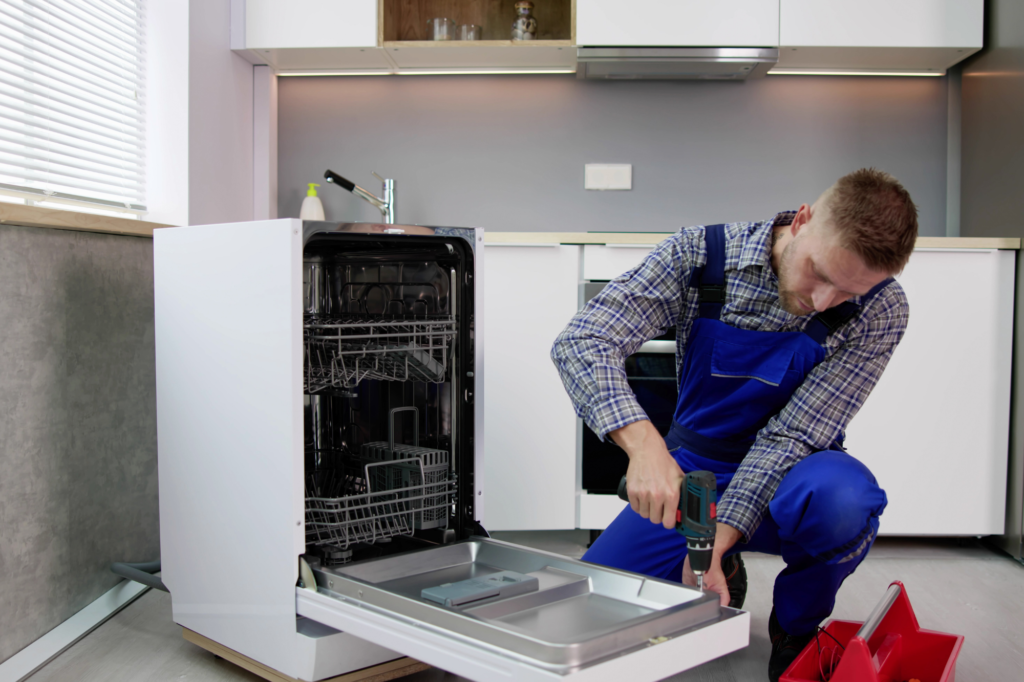
Importance of a Working Daewoo Dishwasher
A dishwasher is not just a luxury appliance—it is a necessity in busy households. It reduces manual washing effort, saves water, and ensures hygienic cleaning of dishes.
When it stops working properly, daily kitchen routines are disrupted. Dirty dishes pile up, cleaning becomes time-consuming, and water consumption increases. That is why timely Daewoo dishwasher Repair Al Khawaneej services are important for maintaining convenience and efficiency.
Common Pain Points in Daewoo Dishwashers
Daewoo dishwashers are designed to make kitchen cleaning easier, faster, and more efficient. They save time, reduce water usage, and provide hygienic cleaning results. However, like any household appliance, they are not immune to technical issues. Over time, wear and tear, improper usage, hard water buildup, or electrical faults can affect performance.
Understanding these common problems helps users detect issues early, avoid costly repairs, and maintain the long-term efficiency of the appliance. If ignored, small faults can turn into major breakdowns requiring expensive replacement parts or full system repairs. That is why timely maintenance and professional Daewoo dishwasher Repair Al Khawaneej services are essential for reliable performance.
1. Dishwasher Not Cleaning Properly
One of the most common complaints from users is that dishes come out dirty, greasy, or with food particles still stuck after a full wash cycle.
Causes:
- Clogged spray arms
- Dirty or blocked filters
- Low water pressure
- Incorrect detergent usage
- Hard water mineral buildup
- Overloaded dishwasher racks
Explanation:
The cleaning performance of a dishwasher depends on strong water pressure and free-flowing spray arms. If spray holes are blocked by food residue or limescale, water cannot reach all areas of dishes. Dirty filters also restrict water circulation, reducing cleaning efficiency. Hard water can further create mineral deposits that block internal components.
Solution:
Technicians clean and unclog spray arms, wash or replace filters, and flush the internal system. Water pressure is tested to ensure proper flow. In hard water conditions, descaling treatments are applied. Proper detergent usage is also recommended to improve cleaning performance.
2. Dishwasher Not Starting
A dishwasher that does not start at all can be very frustrating, especially when dishes are piled up in the kitchen.
Causes:
- Power supply issues or loose plug
- Faulty door latch or switch
- Blown internal fuse
- Control board malfunction
- Wiring or electrical connection faults
Explanation:
The dishwasher will not start unless all safety conditions are met. A properly closed door is essential, and the control board must receive correct electrical signals. If the door latch is broken, the machine assumes the door is open and refuses to operate. Similarly, a faulty control board can block all functions.
Solution:
Technicians first check the power supply and socket. Then they inspect door switches, fuses, and control boards. Faulty components are replaced and wiring is repaired. Once fixed, the dishwasher resumes normal operation safely.
3. Water Not Draining Properly
Water left inside the dishwasher after a cycle indicates a drainage problem.
Causes:
- Blocked drain hose
- Clogged filters
- Faulty drain pump
- Food debris buildup in drainage system
- Kinked or bent hose
Explanation:
The drainage system removes dirty water after each cycle. If the pump or hose is blocked, water cannot exit properly. Food particles, grease, and soap residue often accumulate inside filters and pipes, leading to blockage over time.
Solution:
Technicians clean filters thoroughly, remove blockages from drain hoses, and test the drain pump. If the pump is damaged, it is replaced. After repair, water flows smoothly without any retention inside the dishwasher.
4. Dishwasher Leaking Water
Water leakage is a serious issue that can damage kitchen floors, cabinets, and nearby appliances.
Causes:
- Damaged or worn door seal (gasket)
- Loose hose connections
- Cracked internal tub or pipes
- Excess detergent causing foam overflow
- Improper installation
Explanation:
The door seal prevents water from escaping during washing cycles. Over time, it can wear out or crack, leading to leakage. Loose hoses or internal damage can also allow water to escape from the machine. Excess detergent may create foam that overflows.
Solution:
Technicians inspect all seals and replace damaged gaskets. Hose connections are tightened, and internal leaks are repaired. Proper detergent usage is recommended to avoid foam-related overflow issues.
5. Strange Noises During Operation
Unusual sounds such as grinding, rattling, or humming during operation indicate internal mechanical issues.
Causes:
- Broken spray arm
- Loose internal components
- Worn motor bearings
- Foreign objects inside dishwasher
- Faulty circulation pump
Explanation:
Dishwashers contain moving parts like motors, pumps, and spray arms. When these parts become loose or damaged, they produce abnormal noises. Sometimes small objects like bones, glass pieces, or utensils may get trapped inside and cause rattling sounds.
Solution:
Technicians carefully inspect the internal system, remove foreign objects, and replace damaged components. Bearings and spray arms are repaired or replaced to restore smooth and quiet operation.
6. Dishwasher Not Drying Dishes
If dishes come out wet or damp after a full cycle, there is likely a drying system issue.
Causes:
- Faulty heating element
- Low rinse aid levels
- Blocked ventilation system
- Improper loading of dishes
- Sensor malfunction
Explanation:
Drying depends on heat and airflow. If the heating element is not working, moisture remains on dishes. Lack of rinse aid also prevents water from sliding off surfaces. Poor loading can block air circulation inside the machine.
Solution:
Technicians test the heating system and replace faulty elements if needed. Rinse aid dispensers are checked and refilled. Ventilation systems are cleaned to improve airflow. Proper loading techniques are also advised for better drying results.
Importance of Early Detection
Early detection of dishwasher problems helps prevent major breakdowns. Small signs such as slow drainage, minor noise, or slightly dirty dishes should not be ignored. Prompt action reduces repair costs and extends appliance life.
Why Choose Professional Repair Services
1. Expert Knowledge
Technicians understand Daewoo dishwasher systems in detail.
2. Accurate Diagnosis
Advanced tools help identify exact problems quickly.
3. Genuine Spare Parts
Original components ensure long-lasting performance.
4. Time Efficiency
Quick repairs reduce kitchen disruption.
5. Safety Assurance
Electrical repairs are handled safely by experts.
Preventive Maintenance Tips
Clean Filters Regularly
Dirty filters reduce cleaning performance.
Check Spray Arms
Ensure they are not blocked or damaged.
Use Proper Detergent
Incorrect detergent affects washing quality.
Avoid Overloading
Overloading reduces cleaning efficiency.
Inspect Door Seals
Prevent leaks by maintaining rubber seals.
Warning Signs You Need Repair
- Dishes remain dirty after wash
- Water leakage around machine
- Dishwasher stops mid-cycle
- Loud or unusual noises
- Burning smell or electrical issues
If you notice these signs, contact Daewoo dishwasher Repair Al Khawaneej immediately.
Daewoo Dishwasher Error Codes
Daewoo dishwashers are designed with smart diagnostic systems that display error codes whenever a fault occurs. These codes help users and technicians quickly identify the exact problem without guessing. Instead of manually checking every component, the error code points toward a specific system such as water supply, drainage, heating, sensors, or electrical control.
Why Daewoo Dishwashers Show Error Codes
Error codes appear when the dishwasher detects abnormal performance in any internal system. These issues can be minor or major depending on the affected component.
Common reasons include:
- Water supply failure
- Drainage blockage
- Heating system malfunction
- Sensor failure
- Motor or pump issues
- Electrical control board faults
- Wiring or connection errors
When any of these issues occur, the dishwasher automatically stops working or runs inefficiently and displays an error code on the control panel.
E1 – Water Supply Error
Meaning:
E1 indicates that the dishwasher is not receiving enough water.
Causes:
- Closed or partially open water tap
- Low water pressure in home supply
- Blocked inlet hose
- Dirty inlet filter
- Faulty inlet valve
Symptoms:
- Dishwasher does not start washing cycle
- Very slow filling of water
- Cycle interruption at the beginning
Solution:
Check the water tap and ensure it is fully open. Inspect the inlet hose for bends or blockages. Clean the inlet filter if clogged. If the issue continues, the inlet valve may need replacement. Professional technicians can test water pressure and replace faulty parts safely.
E2 – Heating System Fault
Meaning:
This code indicates a problem with the heating system.
Causes:
- Faulty heating element
- Defective thermostat
- Temperature sensor failure
- Wiring damage in heating circuit
Symptoms:
- Dishes not drying properly
- Cold water during wash cycle
- Longer washing time than usual
Solution:
Technicians test the heating element for continuity and inspect thermostats and sensors. If faulty parts are found, they are replaced. Regular descaling helps prevent heating issues caused by mineral buildup.
E3 – Drainage Problem
Meaning:
E3 indicates that the dishwasher cannot drain water properly.
Causes:
- Blocked drain hose
- Clogged filters
- Faulty drain pump
- Food debris buildup inside system
Symptoms:
- Water remains inside dishwasher after cycle
- Bad smell from appliance
- Cycle stops midway
Solution:
Clean filters and remove blockages from drain hoses. If the drain pump is faulty, it must be replaced. Professional technicians ensure complete drainage system cleaning for proper function.
E4 – Overflow or Leakage Error
Meaning:
E4 indicates that too much water has entered the dishwasher or a leakage is detected.
Causes:
- Faulty inlet valve
- Damaged float switch
- Internal hose leakage
- Excess detergent causing foam overflow
Symptoms:
- Water leaking from bottom of dishwasher
- Machine stops suddenly
- Continuous draining or pumping
Solution:
Technicians inspect the float system and inlet valve. Damaged parts are replaced, and internal leaks are repaired. Proper detergent usage is recommended to prevent foam overflow.
E5 – Sensor Malfunction
Meaning:
E5 indicates a problem with temperature or water level sensors.
Causes:
- Faulty NTC temperature sensor
- Blocked pressure sensor tube
- Wiring connection failure
- Control board communication error
Symptoms:
- Incorrect water temperature
- Poor cleaning results
- Irregular wash cycles
Solution:
Sensors are tested and replaced if necessary. Blocked tubes are cleaned, and wiring connections are repaired. Calibration ensures accurate sensor readings.
E6 – Door Lock Error
Meaning:
This code indicates that the dishwasher door is not properly locked.
Causes:
- Faulty door latch
- Misaligned door
- Broken door switch
- Wiring issues
Symptoms:
- Dishwasher does not start
- Intermittent stopping during cycle
- Door not locking properly
Solution:
Technicians inspect the door lock mechanism and replace faulty latches or switches. Proper alignment ensures safe operation.
E7 – Motor or Pump Error
Meaning:
E7 indicates a problem with the circulation motor or pump system.
Causes:
- Worn-out motor
- Blocked impeller
- Electrical failure
- Overheating pump
Symptoms:
- Weak water spray
- Poor cleaning performance
- Strange humming or grinding noise
Solution:
Technicians inspect the motor and pump system. Blockages are removed, and faulty motors are replaced. Electrical connections are tested for safe operation.
E8 – Water Level Error
Meaning:
This code indicates incorrect water level detection.
Causes:
- Faulty pressure sensor
- Blocked air chamber
- Wiring issues
- Control board malfunction
Symptoms:
- Overfilling or underfilling
- Interrupted wash cycles
- Poor cleaning results
Solution:
Technicians clean pressure tubes and replace faulty sensors. Proper calibration ensures correct water level detection.
E9 – Control Board Failure
Meaning:
E9 is a serious error indicating a malfunction in the electronic control system.
Causes:
- Power surge damage
- Moisture inside control panel
- Burnt circuit components
- Software failure
Symptoms:
- Dishwasher completely unresponsive
- Random shutdowns
- Multiple error codes appearing
Solution:
In most cases, the control board needs repair or replacement. Technicians perform detailed diagnostics to confirm the fault.
E10 – Low Water Pressure
Meaning:
This code indicates insufficient water pressure entering the dishwasher.
Causes:
- Weak household water supply
- Blocked inlet filter
- Kinked water hose
Symptoms:
- Slow cycle start
- Weak washing performance
- Intermittent operation
Solution:
Check household water pressure and clean inlet filters. Replace or reposition hoses if needed.
How to Respond When an Error Code Appears
1. Restart the Dishwasher
Turn off and restart after a few minutes.
2. Check Basic Connections
Inspect water supply, drainage, and door closure.
3. Clean Filters
Remove dirt and blockages from filters and hoses.
4. Refer to Manual
Check specific error code meaning for your model.
5. Call a Technician
If the problem continues, professional repair is required.
Benefits of Timely Repair
Better Cleaning Performance
Restores full washing efficiency.
Lower Water Consumption
Efficient machines use less water.
Longer Appliance Life
Prevents major breakdowns.
Cost Savings
Avoid expensive replacements.
Improved Hygiene
Ensures clean and safe dishes.
Why Al Khawaneej Residents Trust Professionals
Residents of Al Khawaneej prefer expert services due to:
- Fast response
- Skilled technicians
- Affordable pricing
- Reliable solutions
- Long-lasting repairs
This makes Daewoo dishwasher Repair Al Khawaneej highly trusted in the area.
Eco-Friendly Dishwasher Usage Tips
- Run full loads only
- Use eco mode settings
- Clean filters regularly
- Avoid excessive detergent
- Maintain appliance yearly
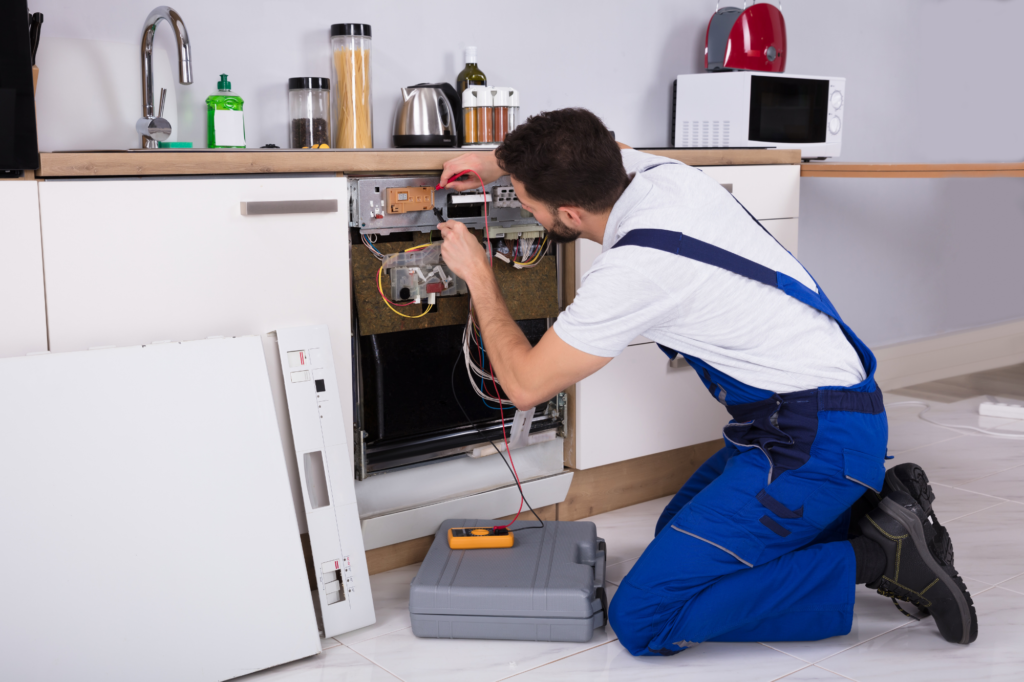
FAQs – Daewoo Dishwasher Repair Al Khawaneej
1. Why is my Daewoo dishwasher not cleaning properly?
Poor cleaning is usually caused by clogged spray arms, dirty filters, or low water pressure. Incorrect detergent use can also reduce performance. Cleaning filters regularly helps improve washing results. If the issue continues, professional inspection is required. Technicians restore proper water flow and cleaning efficiency.
2. What should I do if my dishwasher is not starting?
First, check the power supply and ensure the door is fully closed. A faulty latch or blown fuse can also prevent operation. Control board issues may stop the machine completely. Avoid repeated attempts to start it. Call a technician for safe diagnosis and repair.
3. Why is water not draining from my dishwasher?
This problem is usually caused by blocked filters or a clogged drain hose. A faulty drain pump can also be responsible. Cleaning the filter regularly helps prevent this issue. If water still remains inside, professional repair is needed. Technicians remove blockages and fix pump issues.
4. Is dishwasher leakage dangerous?
Yes, leakage can damage kitchen floors and cabinets if ignored. It is often caused by worn door seals or loose hose connections. Internal cracks can also cause leaks. Immediate repair is necessary to prevent further damage. Professionals replace seals and fix leakage issues effectively.
5. How often should I service my Daewoo dishwasher?
It is recommended to service your dishwasher once a year. Regular maintenance prevents breakdowns and improves efficiency. Cleaning filters monthly helps maintain performance. Professional servicing ensures all parts are in good condition. This extends the lifespan of your appliance significantly.
Call to Action – Expert Daewoo Dishwasher Repair Al Khawaneej
If your Daewoo dishwasher is giving you trouble such as poor cleaning, water leakage, strange noises, or failure to start, it is important not to ignore these warning signs. Small issues can quickly turn into major breakdowns if left untreated, leading to higher repair costs and unnecessary inconvenience in your daily kitchen routine. This is where professional Daewoo dishwasher Repair Al Khawaneej services become essential.
Skilled technicians in Al Khawaneej are fully trained to handle all types of dishwasher problems with precision and care. Using advanced diagnostic tools and genuine spare parts, they ensure accurate repairs that restore your appliance to peak performance. Whether it’s a drainage issue, heating fault, or electronic error, expert help guarantees long-lasting solutions instead of temporary fixes.
Instead of struggling with manual dishwashing or unreliable performance, trust professionals who can quickly bring your dishwasher back to life. Timely repair not only improves efficiency but also extends the lifespan of your appliance and saves you money in the long run.
Don’t wait for the problem to worsen. Contact a trusted Daewoo dishwasher Repair Al Khawaneej service today and enjoy smooth, hassle-free dishwashing with complete peace of mind.