
A cloth dryer has become an essential appliance in modern households, especially in fast-paced cities like Dubai. With limited outdoor drying space, high humidity, and busy lifestyles, dryers make laundry faster, easier, and more efficient. Among many brands available in the market, Daewoo cloth dryers are known for their affordability, reliable performance, and user-friendly features.
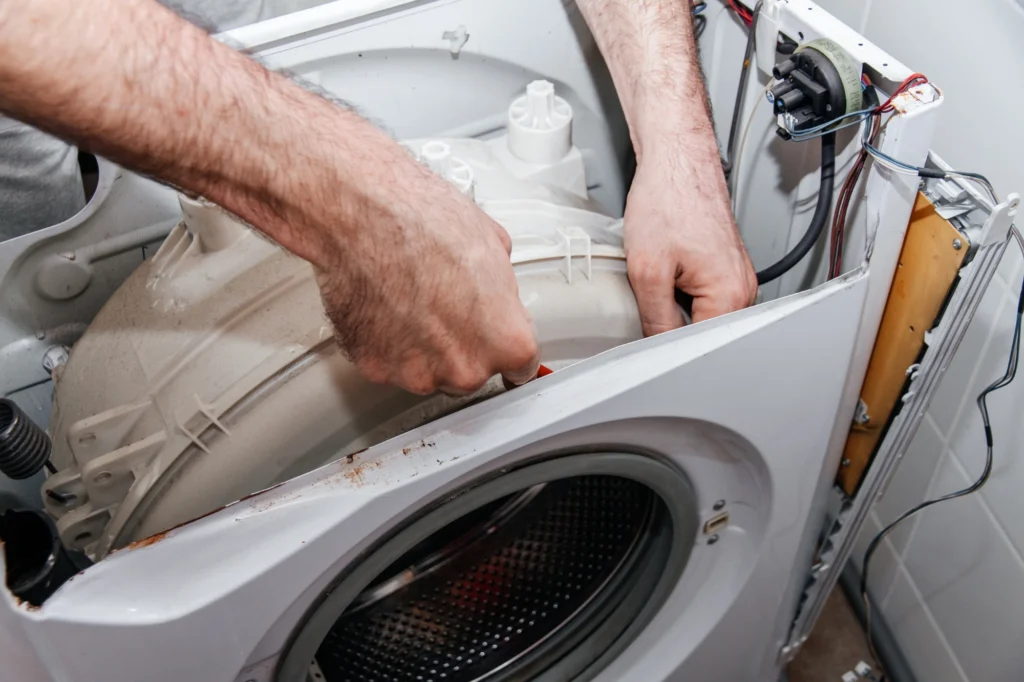
However, like all electrical appliances, even Daewoo dryers can develop technical issues over time. Continuous usage, lint buildup, overheating, electrical fluctuations, and mechanical wear can all lead to performance problems. When this happens, professional daewoo cloth dryer Repair Dubai Knowledge Park services become essential to restore functionality and ensure safety.
Why Daewoo Cloth Dryers Are Popular in Dubai
Daewoo dryers are widely used in residential apartments and commercial laundries because they offer:
- Affordable pricing compared to premium brands
- Compact design suitable for small spaces
- Fast and efficient drying cycles
- Easy-to-use control systems
- Reliable performance for daily use
Despite these advantages, Dubai’s hot climate and heavy usage can increase wear and tear on internal components.
Common Pain Points in Daewoo Cloth Dryers
Daewoo cloth dryers are known for their efficiency and durability, but like any home appliance, they can develop issues over time due to regular use, lack of maintenance, or component failure. Understanding these common problems in detail can help users diagnose issues early, reduce downtime, and avoid costly repairs. Below is a comprehensive explanation of the most frequent problems users face with Daewoo dryers, along with their causes, working mechanisms, and practical solutions.
1. Dryer Not Heating Properly
One of the most reported problems in Daewoo dryers is when the machine runs but fails to produce heat. This leads to clothes remaining wet even after a full drying cycle.
Detailed Causes:
The issue often originates from a faulty heating element, which is responsible for generating the heat needed to evaporate moisture. A damaged thermostat may fail to regulate temperature, while a malfunctioning temperature sensor may send incorrect readings to the control system. Additionally, power supply issues, such as insufficient voltage or a tripped circuit breaker, can prevent the heater from functioning properly.
How It Affects Performance:
Without proper heat, the dryer only tumbles clothes in cool air, which is ineffective for drying. This increases energy consumption and cycle time.
Solutions:
Start by checking the power supply and ensuring the dryer is receiving proper voltage. Clean the lint filter to ensure airflow is not restricted. If the issue persists, inspect the heating element and thermostat for faults. Replacing defective components usually resolves the issue efficiently.
2. Dryer Drum Not Spinning
If the dryer turns on but the drum does not rotate, clothes will remain stationary and fail to dry evenly.
Detailed Causes:
The most common cause is a broken or worn-out drive belt. The motor, which powers the drum rotation, may also fail due to wear or electrical faults. Drum rollers, which support the drum, can become damaged or stuck over time. In rare cases, a faulty control board may fail to send signals to the motor.
How It Affects Performance:
Without drum rotation, hot air cannot circulate evenly around the clothes, resulting in ineffective drying and possible overheating in certain areas.
Solutions:
Inspect the drive belt for signs of wear or breakage and replace it if necessary. Check the motor functionality and listen for unusual humming sounds, which may indicate motor failure. Examine drum rollers for damage and ensure they move freely. If electrical issues are suspected, professional assistance is recommended.
3. Dryer Takes Too Long to Dry Clothes
Another frequent complaint is extended drying time, where clothes take multiple cycles to dry completely.
Detailed Causes:
This problem is usually caused by restricted airflow due to a clogged lint filter or blocked exhaust vent. Overloading the dryer also prevents proper air circulation. A weak heating system or partially damaged heating element can reduce drying efficiency. Poor ventilation in the laundry area may also contribute to the issue.
How It Affects Performance:
Restricted airflow prevents moisture from escaping, forcing the dryer to work harder and longer, which increases energy consumption and wear on components.
Solutions:
Clean the lint filter after every use to maintain proper airflow. Avoid overloading the dryer and ensure clothes have enough space to tumble freely. Regularly clean the exhaust vent and check for blockages. Improving room ventilation can also enhance dryer performance.
4. Dryer Overheating
Overheating is a serious issue that can damage clothes, internal components, and even pose safety risks.
Detailed Causes:
Blocked airflow is the primary cause of overheating, often due to lint buildup in vents or filters. A faulty thermostat may fail to regulate temperature properly, while a broken thermal fuse may prevent the dryer from shutting down when temperatures rise too high.
How It Affects Performance:
Excessive heat can shrink or damage clothes and may lead to internal component failure. In severe cases, it can create a fire hazard.
Solutions:
Thoroughly clean all airflow pathways, including vents and lint filters. Inspect and replace the thermostat or thermal fuse if they are defective. Regular maintenance is key to preventing overheating issues.
5. Dryer Making Loud Noise
A properly functioning dryer should operate with minimal noise. Loud or unusual sounds indicate internal mechanical problems.
Detailed Causes:
Worn drum rollers can create a rumbling sound, while a loose or damaged belt may produce squeaking or thumping noises. Foreign objects such as coins or buttons trapped inside the drum can also cause noise. Motor bearing wear can result in grinding sounds.
How It Affects Performance:
While the dryer may still function, ignoring these noises can lead to more serious damage over time.
Solutions:
Check the drum for any foreign objects and remove them immediately. Inspect drum rollers and replace them if worn out. Tighten or replace the drive belt as needed. If the noise originates from the motor, professional repair or replacement may be required.
6. Dryer Not Starting
When a dryer fails to start completely, it can be frustrating and disruptive.
Detailed Causes:
Power supply issues such as a faulty outlet or tripped breaker are common reasons. A defective door switch may prevent the dryer from starting if it does not detect a closed door. Blown fuses or damaged wiring can also interrupt the electrical flow. In some cases, the control board may malfunction.
How It Affects Performance:
The dryer becomes completely non-operational, halting all laundry tasks.
Solutions:
Check the power outlet and ensure the dryer is properly plugged in. Verify that the door is fully closed and the switch is functioning. Inspect fuses and wiring for damage. If the issue persists, a technician should examine the control board.
7. Clothes Still Damp After Cycle
Sometimes, even after completing a full drying cycle, clothes remain damp or partially wet.
Detailed Causes:
A faulty moisture sensor may incorrectly detect dryness and end the cycle prematurely. Weak heating performance or blocked airflow can also prevent proper drying. Overloading the dryer reduces efficiency as well.
How It Affects Performance:
This issue leads to repeated drying cycles, increasing energy usage and reducing appliance lifespan.
Solutions:
Clean the moisture sensors to ensure accurate readings. Inspect the heating system for proper function. Improve airflow by cleaning vents and filters. Avoid overloading the dryer for better results.
Importance of Professional Repair Services
Choosing expert daewoo cloth dryer Repair Dubai Knowledge Park services ensures:
- Accurate fault diagnosis
- Safe electrical handling
- Genuine spare parts
- Long-lasting repair solutions
- Fast service response
DIY repairs can lead to further damage or safety risks.
Preventive Maintenance Tips
Regular maintenance helps extend dryer life.
1. Clean Lint Filter Regularly
Prevents overheating and airflow blockage.
2. Avoid Overloading
Ensures proper drying performance.
3. Check Ventilation
Proper airflow is essential.
4. Clean Drum Periodically
Removes dust and residue buildup.
5. Schedule Annual Servicing
Professional inspection prevents breakdowns.
Signs You Need Immediate Repair
Call a technician if you notice:
- Dryer not heating
- Burning smell
- Loud noises
- Drum not spinning
- Excessive drying time
Ignoring these signs can lead to expensive repairs.
Daewoo Cloth Dryer Error Codes Explained
Modern Daewoo cloth dryers are equipped with advanced diagnostic systems that display error codes when something goes wrong. These error codes help users and technicians quickly identify the source of the problem without needing to disassemble the entire appliance. Understanding these codes can save time, reduce repair costs, and prevent further damage to the dryer.
Below is a comprehensive guide to common Daewoo dryer error codes, their meanings, causes, and solutions.
1. E1 Error – Heating System Failure
Meaning:
The E1 error indicates a problem with the heating system. The dryer is unable to generate sufficient heat during operation.
Possible Causes:
- Faulty heating element
- Damaged thermostat
- Broken thermal fuse
- Loose or damaged wiring
Explanation:
The heating element is responsible for producing hot air. If it burns out or fails, the dryer will run but not dry clothes effectively. The thermostat regulates temperature, and if it malfunctions, it may prevent heating altogether.
Solution:
- Check and replace the heating element if damaged
- Inspect thermostat functionality
- Replace blown thermal fuse
- Ensure wiring connections are secure
2. E2 Error – Temperature Sensor Fault
Meaning:
This error signals that the temperature sensor (thermistor) is not working correctly.
Possible Causes:
- Faulty thermistor
- Wiring issues
- Sensor disconnection
Explanation:
The thermistor monitors internal temperature and sends data to the control board. If it provides incorrect readings, the dryer cannot regulate heat properly, leading to inefficient drying or overheating.
Solution:
- Test the thermistor using a multimeter
- Replace faulty sensor
- Check wiring connections
3. E3 Error – Motor or Drum Issue
Meaning:
The E3 error indicates a problem with the motor or drum rotation.
Possible Causes:
- Motor failure
- Broken drive belt
- Drum obstruction
- Control board issue
Explanation:
The motor drives the drum through a belt. If the motor stops working or the belt breaks, the drum will not spin, preventing proper drying.
Solution:
- Inspect and replace the drive belt
- Check motor condition
- Remove any obstructions inside the drum
- Seek technician help if motor is faulty
4. E4 Error – Overheating Detected
Meaning:
The dryer is overheating beyond safe limits.
Possible Causes:
- Blocked vents or lint filter
- Faulty thermostat
- Poor airflow
- Excess lint buildup
Explanation:
Proper airflow is essential to regulate heat. When airflow is restricted, heat accumulates inside the dryer, triggering the E4 error as a safety measure.
Solution:
- Clean lint filter and exhaust vents
- Ensure proper ventilation
- Replace faulty thermostat
- Avoid overloading the dryer
5. E5 Error – Moisture Sensor Problem
Meaning:
The moisture sensor is not detecting the dryness level of clothes correctly.
Possible Causes:
- Dirty or damaged sensor
- Wiring issues
- Control board malfunction
Explanation:
The moisture sensor determines when clothes are dry and stops the cycle accordingly. If it fails, the dryer may stop too early or continue running unnecessarily.
Solution:
- Clean the sensor with a soft cloth
- Inspect for damage
- Replace sensor if needed
6. E6 Error – Communication Error
Meaning:
There is a communication failure between internal components, usually between the control board and other parts.
Possible Causes:
- Faulty control board
- Loose wiring
- Software glitch
Explanation:
Modern dryers rely on electronic communication between components. If signals are interrupted, the system cannot function properly.
Solution:
- Restart the dryer
- Check internal wiring
- Replace control board if necessary
7. E7 Error – Door Lock Issue
Meaning:
The dryer detects that the door is not properly closed or locked.
Possible Causes:
- Faulty door switch
- Broken latch
- Misaligned door
Explanation:
For safety reasons, dryers will not operate if the door is open. A faulty switch may falsely signal that the door is open.
Solution:
- Ensure door is fully closed
- Inspect and replace door switch
- Fix or replace latch mechanism
8. E8 Error – Power Supply Issue
Meaning:
The dryer is experiencing unstable or insufficient power supply.
Possible Causes:
- Voltage fluctuations
- Loose power cord
- Faulty outlet
Explanation:
Dryers require stable voltage to operate. Power interruptions or inconsistencies can disrupt performance and trigger this error.
Solution:
- Check power outlet
- Ensure proper voltage supply
- Avoid using extension cords
- Consult an electrician if needed
9. E9 Error – Control Board Failure
Meaning:
The main control board is malfunctioning.
Possible Causes:
- Electrical surge
- Component failure
- Internal circuit damage
Explanation:
The control board acts as the brain of the dryer, managing all operations. If it fails, the dryer may stop working completely or behave unpredictably.
Solution:
- Reset the dryer
- Inspect for visible damage
- Replace control board (professional repair recommended)
10. CL Code – Child Lock Activated
Meaning:
The child lock feature is enabled.
Possible Causes:
- Accidental activation
- Button pressed unintentionally
Explanation:
This is not an error but a safety feature that prevents changes to settings during operation.
Solution:
- Press and hold the child lock button for a few seconds to deactivate
11. dE Code – Door Error
Meaning:
The dryer door is open or not properly secured.
Possible Causes:
- Door not closed fully
- Faulty sensor
- Damaged hinge
Solution:
- Close the door firmly
- Inspect door mechanism
- Replace faulty components
Repair Cost Factors
Repair costs depend on:
- Type of fault
- Spare parts required
- Labor charges
- Model complexity
Minor repairs are affordable, while major component replacements cost more.
Benefits of Timely Repair
- Saves electricity
- Prevents breakdown
- Extends appliance life
- Improves drying efficiency
- Reduces long-term cost
FAQs
1. Why is my Daewoo cloth dryer not heating properly?
This is usually caused by a faulty heating element, thermostat issue, or blocked airflow. Cleaning filters and checking power supply may help, but professional repair is often required.
2. Why does my dryer take too long to dry clothes?
Lint buildup, overloading, or poor ventilation can slow drying performance. Regular cleaning and proper load management improve efficiency.
3. What should I do if my dryer drum is not spinning?
This may be due to a broken belt or motor failure. Stop using the machine and call a technician for inspection and repair.
4. How often should I service my Daewoo dryer?
It is recommended to service your dryer once a year to maintain performance and prevent breakdowns.
5. Is it expensive to repair a Daewoo cloth dryer?
Repair cost depends on the issue. Minor fixes are affordable, while major parts like motors or heaters cost more. Timely repair helps reduce expenses.
Book Fast Daewoo Cloth Dryer Repair in Dubai Knowledge Park
If your Daewoo cloth dryer is not heating properly, taking too long to dry clothes, making unusual noises, or showing error codes, it’s important to get it checked without delay. Ignoring early signs can lead to bigger damage, higher electricity bills, and even complete appliance failure. In a busy city like Dubai, a working dryer is essential for smooth daily laundry routines.
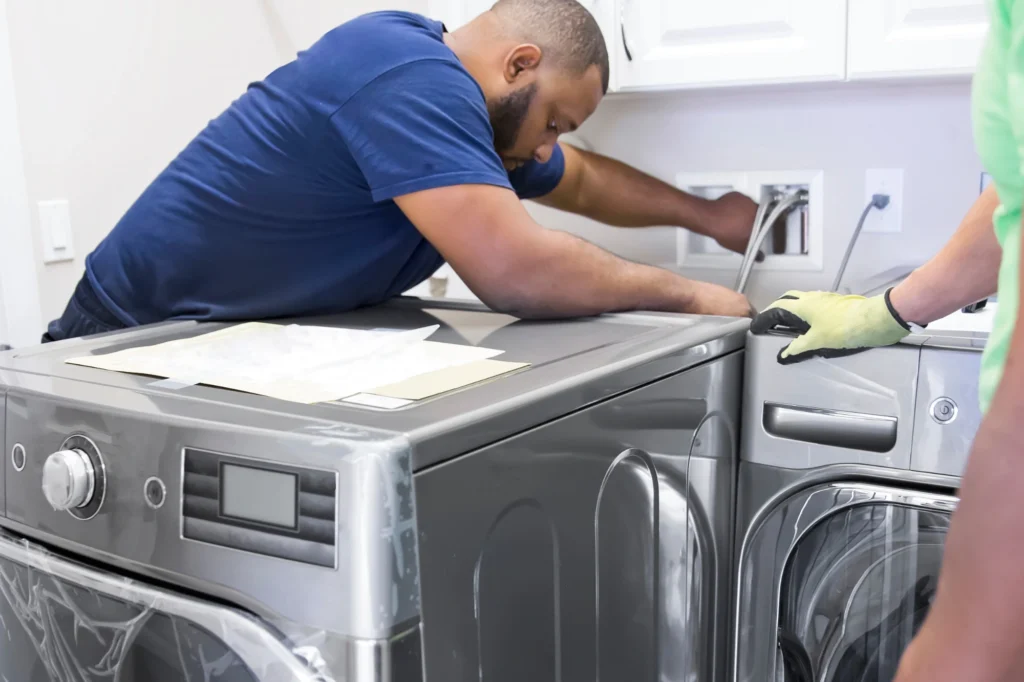
Our expert daewoo cloth dryer Repair Dubai Knowledge Park service provides fast, reliable, and affordable solutions for all types of dryer issues. Whether it’s a minor fault like a clogged lint filter or a major problem such as a faulty heating element, motor breakdown, or control board failure, our trained technicians handle everything with precision. We use advanced diagnostic tools and high-quality spare parts to ensure long-lasting results.
We offer same-day service, on-site repairs, and transparent pricing so you always know what to expect—no delays and no hidden charges. Our goal is to restore your dryer’s performance quickly and safely so your daily routine is never disrupted.
Don’t wait for the problem to get worse. Contact us today to book your repair service and get expert help at your doorstep. Your dryer deserves professional care—and we’re here to deliver it.