
A cloth dryer is one of the most essential household appliances, especially in busy homes where time and convenience matter. Among the various components that ensure a dryer operates efficiently, springs play a vital yet often overlooked role. If you are dealing with issues related to Daewoo cloth dryer Repair Springs, understanding how these small components function can save you from costly repairs and unnecessary stress.
Springs in a Daewoo dryer are responsible for maintaining balance, tension, and smooth movement of internal parts. When these springs become worn, loose, or broken, the dryer may stop functioning properly.
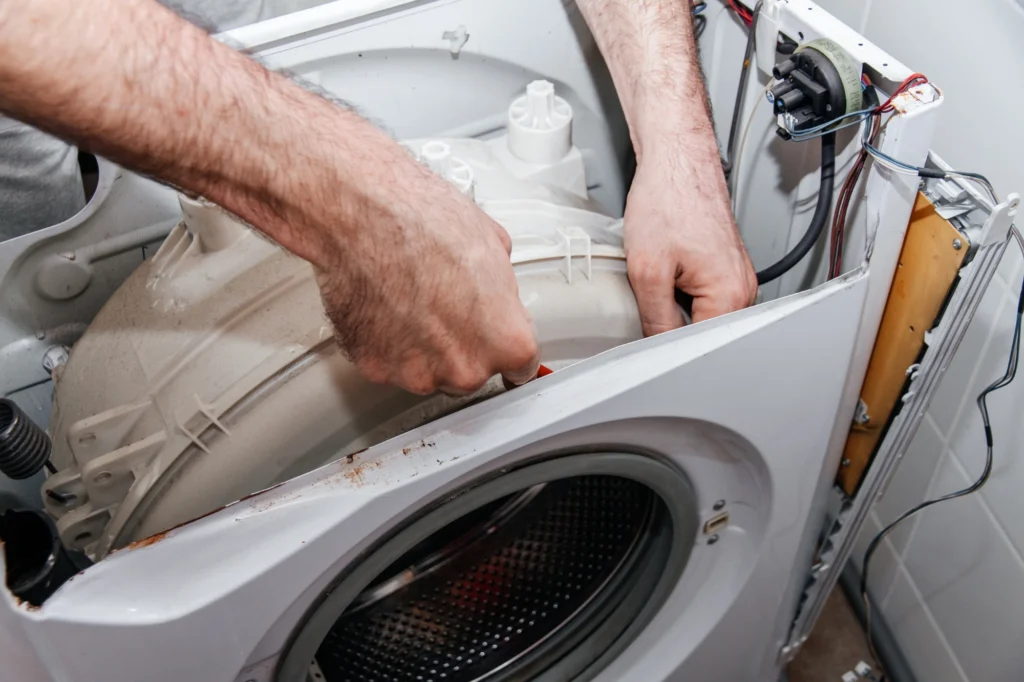
Types of Springs in Daewoo Cloth Dryers
Understanding the different types of springs helps in diagnosing and repairing issues effectively.
Drum Support Springs
These springs help keep the drum balanced and aligned. If damaged, the drum may sag or rotate unevenly.
Belt Tension Springs
They maintain proper tension on the drive belt, ensuring smooth drum rotation.
Door Springs
These are responsible for keeping the door tightly closed during operation.
Suspension Springs
They minimize vibration and keep the dryer stable during use.
Pain Points of Daewoo Cloth Dryer Repair Springs
Dealing with Daewoo cloth dryer Repair Springs can be more frustrating than most homeowners expect. Springs may seem like minor components, but when they fail, they can disrupt the entire functionality of your dryer. From performance issues to unexpected breakdowns, these problems can affect your daily routine and increase maintenance costs.
1. Sudden Dryer Malfunction
One of the most common and stressful issues is when the dryer suddenly stops working. You might load your clothes as usual, start the cycle, and then realize the drum is not spinning or the machine has shut down unexpectedly.
This type of malfunction often occurs due to broken or loose springs that fail to maintain proper tension inside the dryer. The unpredictability of the issue can disrupt your schedule, especially if you rely heavily on your dryer for daily laundry tasks.
2. Loud and Unusual Noises
A properly functioning dryer should operate smoothly with minimal noise. However, when springs become damaged or loose, they can create rattling, banging, or squeaking sounds.
These noises can be alarming and indicate that internal components are not properly secured. Over time, the noise may become louder, signaling worsening damage. Ignoring these sounds can lead to more serious mechanical problems.
3. Excessive Vibration and Movement
When suspension springs fail, the dryer may begin to shake or vibrate excessively during operation. This not only affects performance but also creates safety concerns.
In some cases, the dryer may shift from its position, potentially damaging surrounding furniture or flooring. This issue is especially problematic in smaller spaces where stability is crucial.
4. Drum Not Rotating Properly
The drum is a key component of the dryer, and its movement depends heavily on proper spring tension. When springs are worn out or broken, the drum may rotate unevenly or stop completely.
This results in inefficient drying and may require multiple cycles to achieve the desired results. It also puts additional strain on other components, increasing the risk of further damage.
5. Clothes Not Drying Efficiently
A malfunctioning drum directly impacts drying performance. Clothes may come out damp or unevenly dried, forcing you to run additional cycles.
This not only wastes time but also increases electricity consumption. Many users mistakenly assume the issue is related to heating elements, overlooking the role of springs in maintaining proper drum movement.
6. Door Closure Problems
Door springs play a crucial role in keeping the dryer securely closed during operation. When these springs weaken or break, the door may not latch properly.
This can prevent the dryer from starting or cause it to stop mid-cycle. Repeatedly adjusting the door can become frustrating, especially when the root cause is not immediately obvious.
7. Difficulty in Diagnosing the Problem
One of the biggest challenges with Daewoo cloth dryer Repair Springs is identifying the issue. Springs are internal components, and their damage is not always visible from the outside.
Many users misdiagnose the problem, assuming it is related to the motor or electrical system. This can lead to unnecessary repairs and increased costs.
8. Risk of Further Internal Damage
Ignoring faulty springs can lead to a domino effect of problems. When springs fail, they can cause misalignment in other components such as the belt, drum, or motor.
Over time, this can result in more extensive damage that requires costly repairs or even replacement of the entire appliance. Addressing spring issues early is crucial to جلوگیری major breakdowns.
9. Increased Repair Costs
While springs themselves are relatively inexpensive, the overall cost of repair can add up. Labor charges, additional parts, and misdiagnosed issues can significantly increase expenses.
For many households, this becomes a financial burden, especially if repairs are delayed and the damage worsens over time.
10. Lack of Technical Knowledge
Many homeowners are not familiar with the internal workings of a dryer. The idea of opening the appliance and handling mechanical parts can be intimidating.
This lack of knowledge often leads to reliance on professional technicians, even for minor issues. While professional help is valuable, it can also increase costs unnecessarily for simple repairs.
11. Safety Concerns During Repairs
Attempting DIY repairs without proper knowledge can pose safety risks. Dryers are electrical appliances, and improper handling can lead to injuries or accidents.
Users may fear making mistakes, which discourages them from addressing the problem. This hesitation can result in prolonged issues and further damage.
12. Time-Consuming Repairs
Repairing dryer springs is not always a quick process, especially for beginners. Accessing internal components, identifying the faulty spring, and installing a new one can take time.
For individuals with busy schedules, finding time for repairs can be challenging. This often leads to delays and continued inconvenience.
13. Difficulty in Finding Replacement Parts
In some regions, finding the right replacement springs for Daewoo dryers can be difficult. Not all parts are readily available in local markets.
This can delay repairs and extend the downtime of your appliance. Ordering parts online may take time, adding to the frustration.
14. Overloading Habits
Many users unknowingly overload their dryers, putting excessive stress on springs and other components. This habit accelerates wear and tear, leading to frequent failures.
Even after repairing or replacing springs, continuing this practice can cause the same problem to reoccur.
15. Increased Energy Consumption
A dryer with faulty springs often works harder to perform its function. This results in higher energy usage and increased electricity bills.
Users may notice rising costs without understanding the underlying issue. Fixing spring-related problems can improve efficiency and reduce expenses.
16. Frequent Breakdowns
If spring issues are not properly addressed, they can lead to repeated breakdowns. This creates a cycle of ongoing repairs and inconvenience.
Frequent malfunctions not only affect your routine but also reduce the overall lifespan of the appliance.
17. Frustration and Disrupted Routine
Ultimately, all these pain points contribute to one major issue: frustration. A malfunctioning dryer disrupts your daily routine, making simple tasks like laundry more time-consuming and stressful.
The inconvenience of dealing with repeated issues, unexpected repairs, and poor performance can be overwhelming. Addressing spring problems promptly helps restore normalcy and peace of mind.
Safety Precautions
- Always disconnect power before repair
- Wear protective gloves
- Avoid forcing components
- Follow manufacturer guidelines
- Seek professional help if unsure
When to Replace Springs Instead of Repairing
In many cases, replacement is more effective than repair.
Replace Springs If:
- They are completely broken
- Severe rust is present
- Elasticity is lost
- Frequent failures occur
New springs ensure better performance and durability.
Benefits of Timely Spring Repair
- Improved dryer performance
- Reduced noise and vibration
- Extended appliance lifespan
- Lower energy consumption
- Prevention of major breakdowns
Daewoo Cloth Dryer Error Codes and Their Meanings
Modern appliances are designed to make troubleshooting easier, and Daewoo dryers are no exception. They come equipped with diagnostic systems that display error codes whenever something goes wrong. Understanding these codes is essential, especially when dealing with issues related to Daewoo cloth dryer Repair Springs, as many mechanical problems can trigger system alerts.
While not every error code directly points to springs, several are closely linked to drum movement, tension, airflow, and balance—all of which depend on properly functioning springs.
E1 Error Code – Temperature Sensor Fault
The E1 error indicates a problem with the temperature sensor inside the dryer. This sensor monitors heat levels to ensure safe operation.
Possible Causes:
- Faulty or disconnected sensor
- Damaged wiring
- Overheating due to poor airflow
Relation to Springs:
If springs are damaged, the drum may not rotate properly, leading to uneven heat distribution and overheating.
Solution:
Check the sensor connections and wiring. Clean airflow vents and replace the sensor if needed.
E2 Error Code – Heating System Issue
The E2 code appears when the dryer is not heating properly or overheating.
Possible Causes:
- Defective heating element
- Blown thermal fuse
- Malfunctioning thermostat
Relation to Springs:
A misaligned drum caused by faulty springs can disrupt heat circulation, affecting drying performance.
Solution:
Inspect heating components and ensure the drum rotates smoothly. Replace faulty parts.
E3 Error Code – Drum Rotation Error
This is one of the most important error codes related to Daewoo cloth dryer Repair Springs.
Possible Causes:
- Broken or loose springs
- Worn-out drive belt
- Motor malfunction
Symptoms:
- Drum not spinning
- Irregular rotation
- Dryer stopping mid-cycle
Solution:
Inspect and replace damaged springs. Check the belt and motor for proper operation.
E4 Error Code – Door Lock Problem
The E4 error indicates that the dryer door is not properly closed or locked.
Possible Causes:
- Faulty door latch
- Weak or broken door spring
- Misaligned door
Relation to Springs:
Door springs ensure a tight seal. If they fail, the dryer cannot start or may stop during operation.
Solution:
Check the door mechanism and replace the spring if necessary.
E5 Error Code – Power Supply Issue
This error occurs when there is an irregular power supply to the dryer.
Possible Causes:
- Voltage fluctuations
- Loose wiring
- Faulty power cord
Relation to Springs:
Although not directly related, mechanical strain caused by spring issues can indirectly affect electrical performance.
Solution:
Ensure stable voltage and inspect all electrical connections.
E6 Error Code – Motor Error
The E6 code indicates a problem with the motor.
Possible Causes:
- Overheating motor
- Obstruction in drum movement
- Internal component failure
Relation to Springs:
Broken springs can cause resistance in drum rotation, forcing the motor to work harder and eventually fail.
Solution:
Inspect the motor and ensure the drum moves freely. Replace faulty springs to reduce strain.
E7 Error Code – Airflow Restriction
Proper airflow is essential for efficient drying. The E7 error indicates restricted airflow.
Possible Causes:
- Blocked vents
- Dirty lint filter
- Internal obstructions
Relation to Springs:
If springs cause drum misalignment, airflow inside the dryer may be disrupted.
Solution:
Clean vents and filters thoroughly. Ensure proper internal alignment.
E8 Error Code – Overload Detection
The E8 error appears when the dryer is overloaded.
Possible Causes:
- Excessive laundry load
- Imbalanced drum
- Strain on internal components
Relation to Springs:
Overloading puts extra pressure on springs, leading to wear and eventual failure.
Solution:
Reduce load size and inspect springs for damage.
E9 Error Code – Control Board Communication Error
This error indicates a communication issue within the dryer’s control system.
Possible Causes:
- Faulty control board
- Wiring issues
- Software malfunction
Relation to Springs:
Mechanical issues can sometimes trigger system errors due to abnormal operation patterns.
Solution:
Restart the dryer and check wiring. Replace the control board if necessary.
Importance of Addressing Error Codes Promptly
Ignoring error codes can lead to serious consequences:
- Increased repair costs
- Permanent damage to components
- Reduced efficiency
- Safety risks
Taking immediate action ensures your dryer remains functional and safe.
Preventing Error Codes in the Future
Regular Cleaning
Keep lint filters and vents clean.
Avoid Overloading
Stick to recommended capacity to reduce stress on springs.
Use Quality Parts
Always install compatible replacement components.
Schedule Maintenance
Regular servicing helps detect issues early.
DIY vs Professional Repair
DIY Repair
- Cost-effective
- Suitable for minor issues
- Requires basic tools
Professional Repair
- Ideal for complex problems
- Ensures proper installation
- Saves time and effort
Common Mistakes to Avoid
- Ignoring warning signs
- Using incorrect parts
- Skipping safety precautions
- Over-tightening components
- Not testing after repair
Choosing the Right Replacement Springs
Consider the following factors:
- Compatibility with your Daewoo model
- Material quality
- Durability
- Manufacturer recommendations
Using genuine parts ensures better performance.
FAQs
1. What are the signs that my Daewoo cloth dryer springs need repair?
Common signs include unusual noises, excessive vibration, and improper drum rotation. You may also notice the dryer door not closing properly. In some cases, the dryer may stop mid-cycle due to tension issues. These symptoms indicate that the springs are worn or damaged. Early detection helps prevent further damage.
2. Can I repair Daewoo dryer springs myself?
Yes, repairing dryer springs is possible with basic tools and knowledge. You need to disconnect the power, access internal components, and replace the faulty spring. However, safety precautions are essential during the process. If you are unsure or the issue is complex, it is better to seek professional help. DIY repairs can save money but require careful handling.
3. How long do dryer springs last?
Dryer springs typically last several years depending on usage and maintenance. Frequent use and overloading can reduce their lifespan. Environmental factors like moisture can also cause rust and damage. Regular inspection and proper usage can extend their life. Replacing worn springs on time prevents major issues.
4. What causes dryer springs to fail?
Springs can fail due to wear and tear, excessive load, and corrosion. Continuous tension weakens the metal over time. Moisture exposure can lead to rust, making springs brittle. Poor maintenance also contributes to early failure. Using the dryer within recommended limits helps prevent damage.
5. Is it better to repair or replace dryer springs?
In most cases, replacing springs is more effective than repairing them. New springs restore proper tension and ensure better performance. Repairs may not last long if the spring is severely worn or damaged. Replacement provides a long-term solution and improves reliability. It is usually the safer and more durable option.
Restore Your Daewoo Dryer’s Performance Today
Don’t let a small issue turn into a costly breakdown. If your appliance is showing signs of wear, now is the perfect time to act on Daewoo cloth dryer Repair Springs and bring your dryer back to peak performance. Ignoring unusual noises, poor drum rotation, or excessive vibration can lead to bigger problems that affect your daily routine and increase repair costs.
Taking action early not only saves money but also ensures your dryer works efficiently, drying clothes faster while using less energy. Whether you prefer a quick DIY fix or professional repair service, addressing spring issues will restore balance, reduce noise, and improve overall functionality.
Imagine the convenience of a smooth-running dryer that handles your laundry without interruptions. No more repeated cycles, damp clothes, or frustrating breakdowns. A simple spring repair can make a significant difference in performance and reliability.
Don’t wait until your dryer stops working completely. Inspect your appliance today, replace worn-out springs, and enjoy hassle-free laundry care. If you’re unsure about the repair process, reach out to a trusted technician for expert assistance.
Take the first step now and give your Daewoo cloth dryer the care it deserves!