
In today’s fast-paced lifestyle, dishwashers have become an essential part of modern homes, especially in residential communities like Jumeirah Village Triangle (JVT). Among various appliance brands, Daewoo dishwashers are known for their efficiency, advanced washing technology, and durability. However, even high-quality appliances can experience technical issues over time due to regular usage, water quality, and lack of maintenance.
When your appliance stops working properly, you need professional Daewoo dishwasher Repair Jumeirah Village Triangle (JVT) services to restore performance quickly and efficiently.
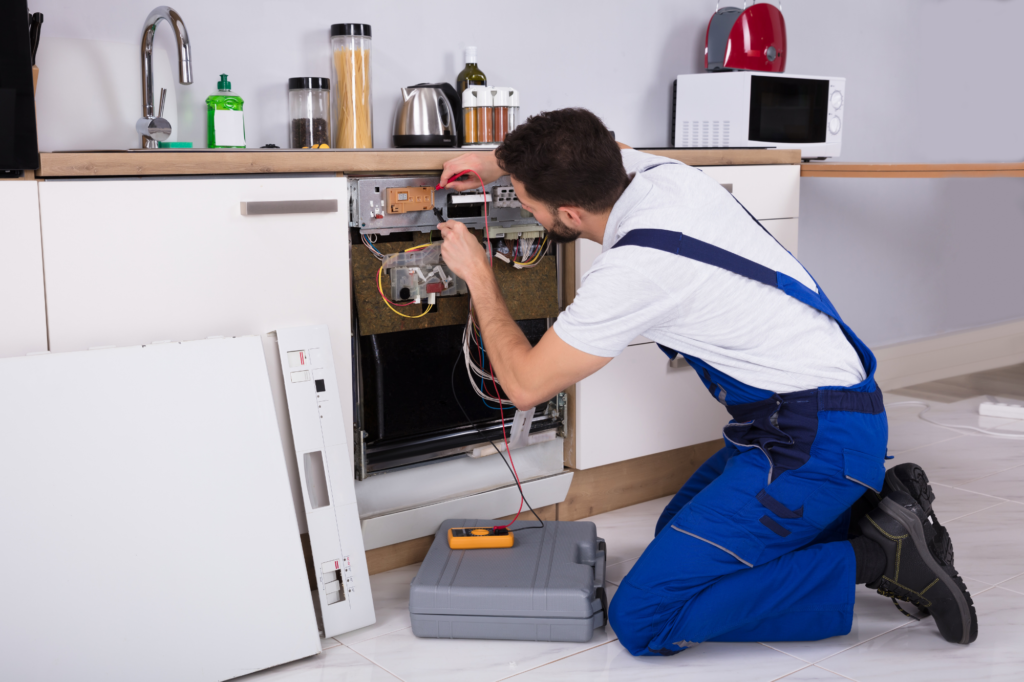
Why Daewoo Dishwashers Are Popular in JVT Homes
Daewoo dishwashers are widely used in JVT apartments and villas due to their reliability and modern features.
Key Benefits:
- Energy-efficient washing cycles
- Quiet operation
- Smart washing technology
- Durable internal components
- Multiple cleaning programs
Despite these advantages, continuous usage in dusty and hard-water environments like Dubai can cause technical faults over time.
Common Pain Points in Daewoo Dishwashers
Daewoo dishwashers are widely used in modern homes due to their efficient cleaning performance, smart features, and durable design. However, like all home appliances, they can develop technical issues over time. Regular use, water quality in the region, and lack of maintenance often contribute to performance problems. Understanding these common issues helps users take quick action and avoid costly repairs.
1. Dishwasher Not Starting
One of the most frustrating problems homeowners face is when the dishwasher does not start at all. You press the power button, select a cycle, but nothing happens. There are no lights, no sound, and no response from the machine.
Causes
The dishwasher not starting issue is usually linked to electrical or control system failures. Common causes include:
- Power supply failure or unstable voltage
- Faulty door latch not allowing the cycle to begin
- Control board malfunction or software failure
- Blown internal fuse due to electrical overload
- Loose wiring or internal connection issues
Even a minor electrical interruption can stop the entire system from functioning.
Symptoms
- No display or response when turned on
- Dishwasher completely silent
- Cycle does not initiate
- Intermittent starting behavior
Solution
Technicians begin by checking the power source and ensuring proper voltage supply. The door latch is inspected because most dishwashers will not start unless the door is securely locked. If the latch is damaged, it is replaced immediately. The control board is then tested for faults. In some cases, rewiring or fuse replacement is required. Professional diagnosis is essential because electrical repairs require safety precautions and technical expertise.
2. Dishes Not Cleaning Properly
Another very common complaint is that dishes come out dirty, greasy, or cloudy even after a full wash cycle. This issue directly affects the purpose of the dishwasher and causes frustration for users.
Causes
Poor cleaning performance can be caused by several factors:
- Clogged spray arms preventing water distribution
- Dirty or blocked filters restricting water flow
- Low water pressure in the household supply
- Detergent quality issues or incorrect usage
- Hard water deposits affecting cleaning efficiency
- Improper loading of dishes blocking spray jets
Symptoms
- Food particles remain on plates and utensils
- Glassware appears cloudy or greasy
- Soap residue left after wash cycle
- Uneven cleaning results
Solution
The first step is cleaning spray arms and filters thoroughly. Spray arms should rotate freely without obstruction. Using high-quality detergent improves cleaning performance significantly. Proper loading techniques ensure water reaches all dishes. In areas with hard water, mineral buildup may require descaling treatment. If the issue continues, a technician may inspect the water pump and pressure system to restore full efficiency.
3. Dishwasher Not Draining
A dishwasher that does not drain properly is another frequent issue. After the wash cycle, water remains at the bottom of the machine, sometimes causing bad odors and hygiene concerns.
Causes
Common reasons include:
- Blocked drain hose preventing water flow
- Faulty drain pump unable to remove water
- Food debris buildup inside filters
- Kinked or improperly installed drainage pipe
- Grease accumulation in drainage system
Symptoms
- Standing water inside dishwasher after cycle
- Slow or incomplete draining
- Unpleasant odor from stagnant water
- Cycle interruption or error display
Solution
Technicians start by cleaning the filter and drain hose. Removing food particles often resolves minor issues. If the drain pump is damaged, it must be repaired or replaced. Regular cleaning of dishes before loading also helps prevent blockage. A professional inspection ensures that internal drainage pathways are clear and functioning properly.
4. Water Leakage
Water leakage is a serious issue that should be addressed immediately. Even a small leak can damage kitchen cabinets, flooring, and surrounding electrical components.
Causes
- Damaged or worn-out door seal (gasket)
- Loose water inlet or outlet hose connections
- Cracked internal pipes or fittings
- Excess detergent causing foam overflow
- Misaligned dishwasher door
Symptoms
- Water pooling around the dishwasher
- Damp cabinets or kitchen floor
- Visible dripping during operation
- Sudden increase in water usage
Solution
The door seal is checked first because it is the most common source of leakage. If damaged, it is replaced. Loose hoses are tightened or replaced if cracked. Proper detergent usage also prevents foam overflow. Technicians ensure that the dishwasher is correctly aligned and sealed to prevent future leaks.
5. Unusual Noise
A properly functioning dishwasher should operate with minimal noise. If you hear loud grinding, buzzing, or rattling sounds, it indicates a mechanical problem.
Causes
- Worn-out motor or pump components
- Loose internal screws or fittings
- Debris stuck in spray arms or pump
- Damaged bearings or rotating parts
- Improper installation causing vibration
Symptoms
- Loud grinding or humming sounds
- Increased vibration during operation
- Intermittent noise during cycles
- Sudden change in operating sound
Solution
Technicians inspect internal components to identify the source of noise. Cleaning spray arms and removing debris often resolves minor issues. If the motor or pump is worn out, replacement may be necessary. Tightening loose components also reduces vibration. Regular maintenance ensures quiet and smooth operation.
Maintenance Tips for Daewoo Dishwashers
Proper maintenance improves performance and lifespan.
- Clean filters weekly
- Avoid overloading dishes
- Use quality detergent
- Run empty cleaning cycles monthly
- Check hoses regularly
- Use water softener in hard water areas
Daewoo Dishwasher Error Codes
Modern Daewoo dishwashers are designed with advanced self-diagnostic systems that display error codes when something goes wrong. These codes help users and technicians quickly identify the issue without guessing, making repairs faster and more accurate. Understanding these error codes is extremely useful for maintaining your dishwasher and preventing small issues from turning into major faults.
E1 – Water Supply Error
The E1 error indicates that the dishwasher is not receiving enough water to begin or continue the wash cycle. This is one of the most frequently occurring issues, especially in areas with low water pressure.
Causes
- Water supply valve is closed or partially blocked
- Low water pressure from the main line
- Clogged inlet filter restricting water flow
- Faulty inlet valve not allowing water entry
Symptoms
- Dishwasher stops shortly after starting
- No water inside the machine
- Cycle interruption
- Error code displayed on screen
Solution
First, check the water supply tap and ensure it is fully open. Clean the inlet filter to remove dirt or mineral deposits. If the issue persists, the inlet valve may need replacement. A technician can measure water pressure and fix internal water entry faults.
E2 – Drainage Error
The E2 error appears when the dishwasher cannot drain water properly after a cycle.
Causes
- Blocked drain hose
- Clogged filter system
- Faulty drain pump
- Food debris buildup in drainage system
Symptoms
- Standing water at the bottom of dishwasher
- Bad odor from stagnant water
- Cycle not completing properly
- Slow drainage
Solution
Clean the filter and drain hose thoroughly to remove blockages. If the pump is damaged, it must be repaired or replaced. Regular cleaning of food residue before loading dishes helps prevent this issue.
E3 – Heating Error
The E3 error indicates a problem with water heating inside the dishwasher. Without proper heating, dishes cannot be cleaned and sanitized effectively.
Causes
- Faulty heating element
- Broken thermostat
- Wiring or electrical failure
- Control board malfunction
Symptoms
- Dishes come out dirty or greasy
- Cold water during wash cycle
- Longer than usual washing time
- Error displayed mid-cycle
Solution
Technicians test the heating element and thermostat using diagnostic tools. If defective, they are replaced. Electrical wiring is also checked to ensure proper current flow. Heating is essential for effective cleaning and hygiene.
E4 – Overflow or Leakage Error
The E4 error indicates that the dishwasher has detected excess water or internal leakage.
Causes
- Faulty float switch
- Damaged door seal (gasket)
- Loose or cracked hoses
- Excess detergent causing foam overflow
Symptoms
- Water leakage around the unit
- Dishwasher stops mid-cycle
- Water collecting in base tray
- Drain pump running continuously
Solution
The float switch is inspected and cleaned to ensure proper movement. Damaged seals or hoses are replaced. Excess detergent usage should be avoided. A technician will also dry the base tray and reset the system safely.
E5 – Temperature Sensor Error
The E5 error occurs when the dishwasher cannot detect or regulate water temperature correctly.
Causes
- Faulty temperature sensor (thermistor)
- Loose wiring connections
- Sensor calibration failure
- Control board communication error
Symptoms
- Inconsistent washing results
- Water too hot or too cold
- Interrupted wash cycles
- Error code displayed during operation
Solution
The temperature sensor is tested and replaced if necessary. Wiring connections are checked for damage or corrosion. Proper temperature control ensures effective cleaning and prevents damage to delicate dishes.
E6 – Door Lock Error
The E6 error indicates that the dishwasher door is not properly closed or locked.
Causes
- Broken door latch
- Misaligned door
- Faulty door sensor
- Obstruction preventing closure
Symptoms
- Dishwasher does not start
- Door feels loose or unstable
- Repeated cycle interruptions
- Error code displayed immediately
Solution
The door latch is inspected and replaced if broken. Proper alignment of the door is essential for safe operation. Without a secure lock, the dishwasher will not function.
E7 – Motor or Pump Error
The E7 error indicates a serious issue with the circulation motor or pump system.
Causes
- Worn-out motor
- Blocked circulation pump
- Electrical failure
- Damaged internal wiring
Symptoms
- No water spray during cycle
- Loud humming or buzzing sound
- Dishwasher stops suddenly
- Weak washing performance
Solution
The motor and pump are tested for performance. If damaged, replacement is required. Blockages are cleared and wiring is repaired. This issue requires professional repair due to its complexity.
E8 – Water Level Error
The E8 error indicates incorrect water level detection inside the dishwasher.
Causes
- Faulty water level sensor
- Blocked pressure hose
- Foam interference from detergent
- Control system malfunction
Symptoms
- Overfilling or underfilling of water
- Interrupted washing cycles
- Poor cleaning results
- Error displayed frequently
Solution
The pressure sensor and hose are cleaned or replaced. Technicians may recalibrate the system to ensure accurate water level detection.
E9 – Control Board Communication Error
(Some Daewoo models display this advanced error code.)
Causes
- Faulty control board
- Wiring communication failure
- Software glitch
Symptoms
- Random cycle interruptions
- Display malfunction
- Dishwasher not responding properly
Solution
The control board is inspected and reset or replaced if necessary. In most cases, professional servicing is required.
Importance of Understanding Error Codes
Knowing dishwasher error codes helps users:
- Identify problems early
- Avoid unnecessary damage
- Save repair costs
- Communicate effectively with technicians
However, while basic troubleshooting can help, most error codes require professional diagnosis for safe and accurate repair.
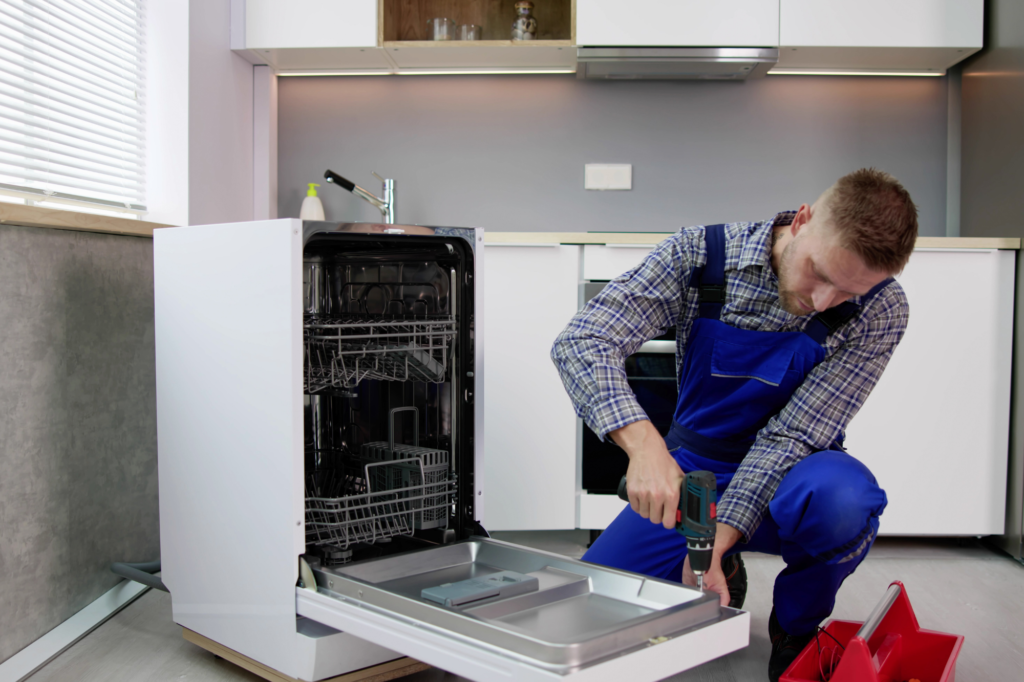
Importance of Professional Repair in JVT
DIY repairs can often make problems worse. Professional technicians provide:
- Accurate diagnosis
- Safe repairs
- Genuine spare parts
- Long-term solutions
- Warranty support
For reliable Daewoo dishwasher Repair Jumeirah Village Triangle (JVT), professional service is always recommended.
FAQs
- Why is my Daewoo dishwasher not starting?
A Daewoo dishwasher may fail to start due to several common issues such as power supply interruptions, a faulty door latch, or internal control board malfunction. In some cases, a blown fuse or loose wiring connection can also prevent the machine from operating. It is always recommended to first check the power socket, circuit breaker, and plug before assuming a major fault. If the appliance still does not respond, the issue is likely internal and requires technical attention. A professional technician can accurately diagnose electrical faults and repair or replace the damaged components safely. - Why are my dishes still dirty after washing?
If your dishes are still dirty after a full wash cycle, the issue is usually related to clogged spray arms, blocked filters, or poor water circulation inside the dishwasher. Low water pressure can also reduce the cleaning efficiency, while using low-quality detergent may leave residue on dishes. Additionally, improper loading of dishes can block water jets and prevent proper cleaning. Regular cleaning of filters and spray arms is essential to maintain performance. If the issue continues, a technician can inspect the internal system and restore proper washing efficiency. - Why is my dishwasher leaking water?
Water leakage in a Daewoo dishwasher is commonly caused by damaged door seals, loose hose connections, or cracked internal pipes. In some cases, excessive use of detergent can create foam overflow, leading to leaks during operation. Even small leaks should not be ignored, as they can damage kitchen flooring and cabinets over time. It is important to stop using the appliance until the issue is fixed. A trained technician can quickly identify the exact source of the leak and perform the necessary repairs to prevent further damage. - Is it worth repairing a Daewoo dishwasher?
In most situations, repairing a Daewoo dishwasher is more cost-effective than replacing it with a new unit, especially when the problem is minor or related to replaceable parts. Simple issues can often be fixed quickly at a reasonable cost, restoring the appliance to full functionality. Repairs also help extend the lifespan of the dishwasher and improve its overall performance. However, in cases of major motor or control system failure, replacement may be more practical. A professional technician can assess the condition and recommend the best option. - How often should I service my dishwasher?
A Daewoo dishwasher should ideally be serviced at least once a year to ensure smooth performance and prevent unexpected breakdowns. Regular maintenance helps keep filters, spray arms, and drainage systems clean and efficient. If the dishwasher is used frequently, more regular servicing may be required to maintain optimal performance. Routine inspections also help detect minor issues before they turn into costly repairs. Professional servicing ensures long-term reliability, energy efficiency, and consistent cleaning results.
Call to Action – Daewoo Dishwasher Repair in JVT
If your dishwasher is giving you trouble, now is the right time to take action before the problem gets worse. Delaying repairs can lead to more serious damage, higher repair costs, and even complete appliance failure. Whether your unit is not starting, leaking water, making unusual noises, or showing error codes, professional help is the safest and most effective solution.
Our expert Daewoo dishwasher Repair Jumeirah Village Triangle (JVT) service is designed to provide fast, reliable, and long-lasting repair solutions right at your doorstep. We specialize in diagnosing all types of dishwasher issues using advanced tools and years of technical experience. From minor adjustments to major part replacements, we ensure your appliance is restored to full working condition.
We understand how important a fully functional dishwasher is for your daily routine, which is why we offer quick response times and efficient service. Our trained technicians use genuine parts and follow industry-standard repair procedures to guarantee quality results.
Don’t let dishwasher problems disrupt your home life any longer. Contact us today for professional repair services in JVT and enjoy hassle-free performance once again. Book your appointment now and let our experts bring convenience back to your kitchen with trusted and affordable solutions.