
In modern households, a cloth dryer is no longer a luxury—it’s a necessity. Whether you live in an apartment or a villa in La Mer, having a reliable dryer saves time, effort, and ensures your clothes are ready to wear anytime. Among the popular brands, Daewoo cloth dryers are known for their affordability, durability, and user-friendly features.
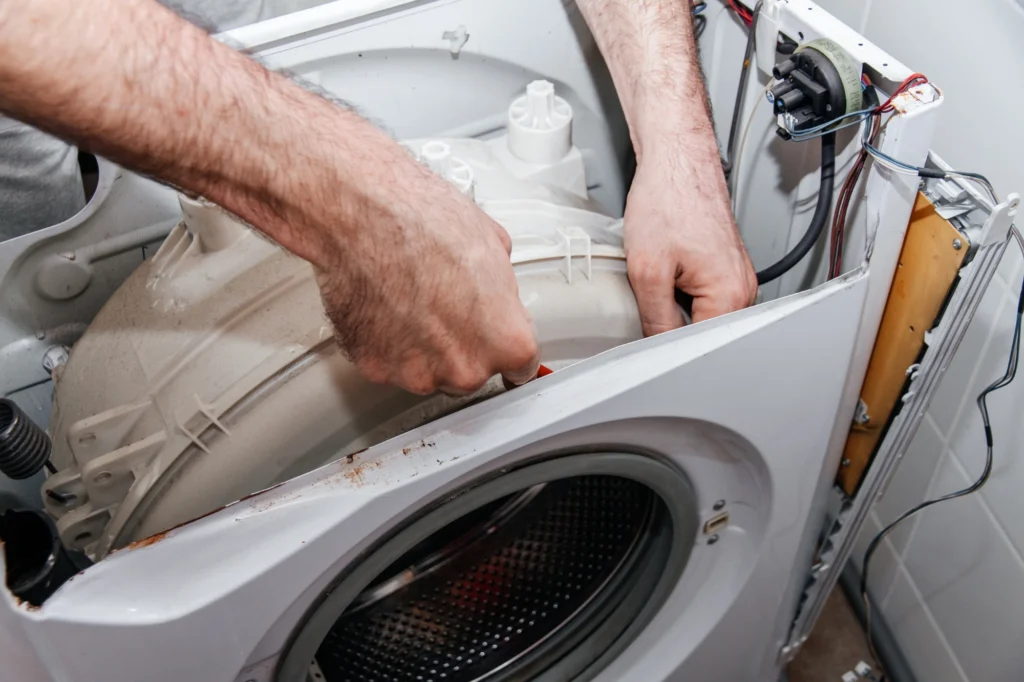
However, like any home appliance, Daewoo dryers are not immune to wear and tear. Over time, they may develop issues that impact performance. That’s where Daewoo cloth dryer Repair La Mer services come into play. Understanding common problems, troubleshooting methods, and maintenance tips can help you extend the lifespan of your appliance and reduce repair costs.
Why Choose Professional Daewoo Cloth Dryer Repair La Mer?
When your dryer stops working efficiently, it’s tempting to try DIY fixes. However, professional repair services offer several advantages:
1. Expert Diagnosis
Certified technicians understand Daewoo dryer systems and can quickly identify the root cause of the issue.
2. Genuine Spare Parts
Professional services use original components, ensuring durability and performance.
3. Time Efficiency
Instead of trial-and-error fixes, experts provide quick and accurate solutions.
4. Safety Assurance
Dryers involve electrical and heating components, making DIY repairs risky.
5. Long-Term Savings
Proper repair prevents recurring issues and costly replacements.
Common Daewoo Cloth Dryer Pain Points
Daewoo cloth dryers are known for their affordability and decent performance, but like any home appliance, they can develop issues over time. Understanding these common problems can help you identify faults early, reduce downtime, and prevent costly repairs. Regular maintenance and timely professional assistance can significantly extend the lifespan of your dryer.
1. Dryer Not Heating
One of the most frequent issues faced by Daewoo dryer users is the lack of heat during operation. In this situation, the dryer runs normally, but clothes remain damp even after completing a full cycle.
Causes:
- Faulty or burned-out heating element
- Defective thermostat that fails to regulate temperature
- Blown thermal fuse due to overheating
- Damaged or loose wiring connections
Impact:
When your dryer does not produce heat, it becomes almost useless for drying clothes efficiently. This leads to repeated drying cycles, increased electricity bills, and inconvenience in daily routines.
Solution:
A professional technician should inspect the heating element, thermostat, and fuse. In most cases, replacing the faulty component resolves the issue. Attempting DIY fixes without proper knowledge can worsen the problem or pose safety risks.
2. Dryer Not Starting
Another common complaint is when the dryer fails to start altogether. You may press the start button, but nothing happens.
Causes:
- Power supply issues such as unplugged cord or faulty socket
- Tripped circuit breaker
- Malfunctioning door switch preventing operation
- Faulty start button or control panel
- Defective main control board
Impact:
This issue completely disrupts your laundry routine, especially if you rely heavily on the dryer for daily use.
Solution:
Start by checking the power source and ensuring the dryer is properly plugged in. Reset the circuit breaker if needed. If the issue persists, a technician should inspect the internal components like the door switch and control board. Electrical repairs should always be handled by professionals.
3. Dryer Drum Not Spinning
If your dryer turns on but the drum does not rotate, your clothes will remain in one place and won’t dry evenly.
Causes:
- Broken or worn-out drive belt
- Motor failure
- Worn drum rollers or idler pulley
- Obstructions inside the drum
Impact:
Without drum movement, heat cannot distribute evenly across the clothes. This results in uneven drying and potential damage to fabrics.
Solution:
The most common fix is replacing the broken drive belt. If the motor is faulty, it may need repair or replacement. Regular inspection of rollers and moving parts can prevent such issues from occurring.
4. Excessive Noise During Operation
Unusual noises such as squeaking, grinding, or banging during operation are signs that something is wrong with your dryer.
Causes:
- Loose internal components
- Worn-out drum rollers
- Damaged drum bearings
- Foreign objects stuck inside the drum
Impact:
Ignoring these noises can lead to severe internal damage over time. What starts as a minor issue can quickly turn into a costly repair if not addressed.
Solution:
Inspect the dryer for loose parts or foreign objects like coins or buttons. If the noise persists, professional servicing is recommended. Lubricating moving parts or replacing worn components can restore smooth operation.
5. Dryer Overheating
Overheating is a serious problem that can damage clothes and even pose a fire hazard if left unresolved.
Causes:
- Blocked or clogged air vents
- Lint buildup in the filter or ducts
- Faulty thermostat
- Poor ventilation in the installation area
Impact:
Excessive heat can shrink clothes, damage delicate fabrics, and reduce the overall efficiency of the dryer. In extreme cases, it may lead to internal component failure.
Solution:
Regularly clean the lint filter and ensure proper airflow through the vents. Check that the dryer is installed in a well-ventilated area. A technician should inspect the thermostat and internal airflow system if overheating continues.
6. Clothes Taking Too Long to Dry
If your dryer is taking longer than usual to dry clothes, it indicates reduced efficiency.
Causes:
- Clogged lint filter
- Poor airflow due to blocked vents
- Low heat output
- Overloading the dryer
- Moisture sensor malfunction
Impact:
Longer drying times increase energy consumption and put extra strain on the appliance. It also delays your daily chores.
Solution:
Clean the lint filter after every use and check the exhaust vents regularly. Avoid overloading the dryer, as it restricts airflow. If the problem persists, a professional should check the heating system and sensors.
Additional Tips to Prevent Dryer Pain Points
To keep your Daewoo cloth dryer running efficiently and avoid common issues, consider the following maintenance tips:
- Clean the lint filter regularly: This is the simplest yet most effective way to maintain performance.
- Inspect vents and ducts: Ensure there are no blockages that restrict airflow.
- Avoid overloading: Follow the manufacturer’s recommended load capacity.
- Check pockets before drying: Remove coins, pins, and other objects that can damage the drum.
- Schedule regular servicing: Professional maintenance helps detect issues early.
Cost of Daewoo Cloth Dryer Repair in La Mer
Repair costs depend on the problem:
Minor Repairs
- Cleaning and maintenance
- Filter replacement
Moderate Repairs
- Thermostat replacement
- Belt replacement
Major Repairs
- Motor replacement
- Control board repair
Getting a professional diagnosis helps estimate the exact cost.
DIY vs Professional Repair
DIY Repair
- Suitable for minor issues
- Cost-effective
- Risky without proper knowledge
Professional Repair
- Accurate diagnosis
- Safe and reliable
- Long-lasting results
Daewoo Dryer Error Codes Explained
Modern Daewoo dryers are designed with advanced diagnostic systems that help users quickly identify problems through error codes. These codes appear on the display panel when the machine detects an internal fault, making troubleshooting easier and more efficient. Understanding these error codes can save time, reduce repair costs, and help you decide whether a simple fix or professional service is required.
Below is a detailed explanation of common Daewoo dryer error codes and how to handle them effectively.
1. E1 Error Code – Temperature Sensor Issue
The E1 error code typically indicates a problem with the temperature sensor (also known as a thermistor). This component plays a critical role in monitoring and regulating the internal heat of the dryer.
What It Means:
When the temperature sensor is faulty or disconnected, the dryer cannot accurately measure heat levels. As a result, it may stop working or fail to heat properly.
Possible Causes:
- Damaged or worn-out temperature sensor
- Loose or broken wiring connections
- Sensor short circuit
- Control board misreading temperature signals
Impact:
The dryer may run without heat or shut down unexpectedly. Clothes will remain damp, and repeated cycles may be required, increasing energy consumption.
Solution:
Start by turning off and unplugging the dryer. Check for visible wiring issues if accessible. However, replacing or testing a temperature sensor requires technical expertise, so it’s best to contact a professional technician for accurate diagnosis and repair.
2. E2 Error Code – Overheating Problem
The E2 error code signals that the dryer is overheating. This is a serious issue that should not be ignored, as it can damage clothes and pose safety risks.
What It Means:
The dryer’s internal temperature has exceeded safe limits, triggering a protective shutdown to prevent further damage.
Possible Causes:
- Blocked or clogged air vents
- Lint buildup in filters or ducts
- Faulty thermostat
- Poor airflow around the dryer
Impact:
Overheating can shrink or damage clothes, reduce dryer efficiency, and increase the risk of internal component failure. In extreme cases, it may even lead to fire hazards.
Solution:
Immediately stop using the dryer and allow it to cool down. Clean the lint filter thoroughly and inspect the venting system for blockages. Ensure proper ventilation around the appliance. If the error persists, a technician should inspect the thermostat and airflow system.
3. E3 Error Code – Motor or Drum Malfunction
The E3 error code indicates a problem with the motor or drum rotation system.
What It Means:
The dryer detects that the drum is not spinning properly or that the motor is not functioning as expected.
Possible Causes:
- Motor failure or overheating
- Broken drive belt
- Worn-out drum rollers
- Obstruction preventing drum movement
Impact:
Without proper drum rotation, clothes cannot tumble and dry evenly. This results in poor drying performance and potential damage to fabrics.
Solution:
First, turn off the dryer and check for any visible obstructions inside the drum. If the drum still does not rotate, the issue is likely mechanical. Replacing a drive belt or repairing a motor requires professional tools and expertise, so it’s recommended to call a repair specialist.
4. E4 Error Code – Door Lock or Switch Problem
The E4 error code is related to the dryer door mechanism.
What It Means:
The dryer is unable to detect whether the door is securely closed, which prevents it from starting or continuing a cycle.
Possible Causes:
- Faulty door switch
- Misaligned door latch
- Broken door lock mechanism
- Wiring issues connected to the door sensor
Impact:
The dryer will not start or may stop mid-cycle. This is a safety feature designed to prevent operation when the door is open.
Solution:
Check if the door is properly closed and latched. Inspect the latch for damage or misalignment. If the problem persists, the door switch or lock assembly may need replacement by a technician.
5. E5 Error Code – Control Board Communication Failure
The E5 error code points to a communication issue within the dryer’s electronic system.
What It Means:
The main control board is not communicating properly with other components of the dryer.
Possible Causes:
- Faulty control board
- Loose or damaged internal wiring
- Power surges affecting electronics
- Software glitches
Impact:
This error can cause the dryer to behave unpredictably, fail to start, or stop during operation. It may also display incorrect information on the control panel.
Solution:
Try restarting the dryer by unplugging it for a few minutes and then reconnecting it. If the error remains, the control board may need repair or replacement. This is a complex issue that should only be handled by qualified professionals.
How to Handle Daewoo Dryer Error Codes
When your dryer displays an error code, it’s important to respond quickly and correctly. Here are some general steps you can follow:
1. Restart the Dryer
Sometimes, error codes are triggered by temporary glitches. Turn off the dryer, unplug it, wait for 5–10 minutes, and then restart it. This simple reset can often clear minor errors.
2. Check the User Manual
Your dryer’s manual provides specific information about error codes and recommended actions. Always refer to it for model-specific guidance.
3. Inspect Basic Components
Check easily accessible parts such as:
- Lint filter
- Air vents
- Power supply
- Door latch
Simple maintenance can resolve many common issues.
4. Avoid DIY Electrical Repairs
While cleaning and basic checks are safe, avoid attempting complex repairs involving electrical components. This can be dangerous and may void your warranty.
5. Contact Professional Repair Services
If the error code persists or involves internal components like the motor, thermostat, or control board, it’s best to contact experts in Daewoo cloth dryer Repair La Mer. Professional technicians have the tools and knowledge to diagnose and fix the issue safely and efficiently.
Preventing Error Codes in the Future
Preventive maintenance is key to avoiding frequent error codes and ensuring smooth operation of your dryer.
- Clean the lint filter after every use
- Regularly inspect and clean air vents
- Avoid overloading the dryer
- Ensure proper installation and ventilation
- Schedule periodic professional servicing
By following these practices, you can reduce the likelihood of errors and extend the lifespan of your appliance.
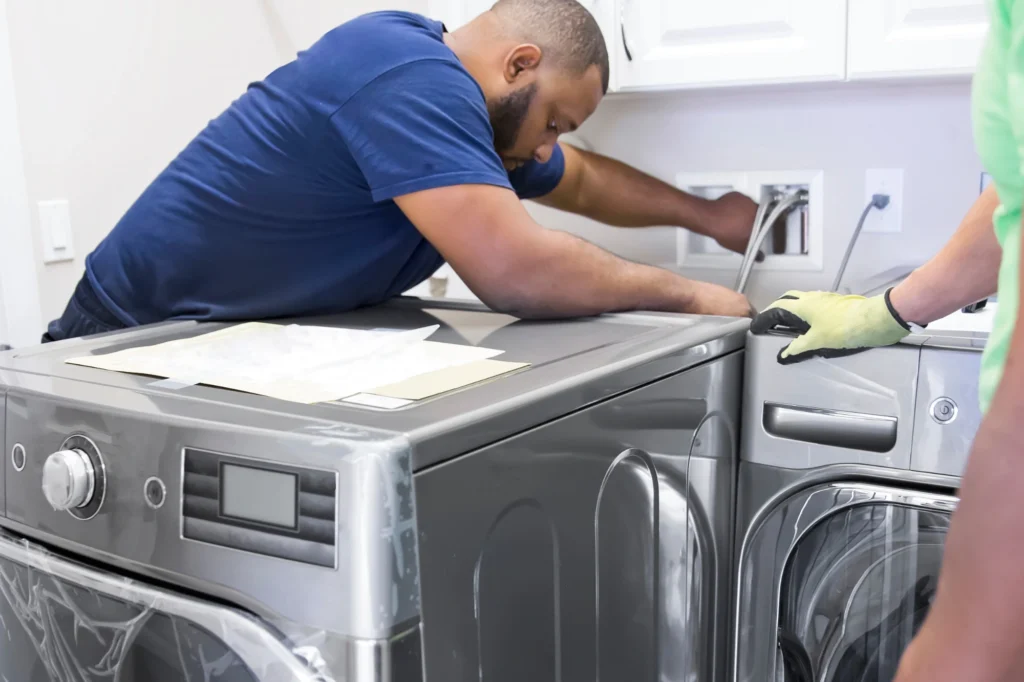
Signs Your Dryer Needs Immediate Repair
- Burning smell
- Loud noises
- Frequent shutdowns
- No heat production
- Error codes appearing repeatedly
Ignoring these signs can lead to costly damage.
Environmental Impact of Faulty Dryers
A malfunctioning dryer consumes more energy, increasing your carbon footprint. Timely repair helps:
- Reduce energy consumption
- Lower electricity bills
- Protect the environment
FAQs
1. Why is my Daewoo dryer not heating?
This is usually due to a faulty heating element, thermostat, or thermal fuse. It can also be caused by blocked vents. A professional technician can diagnose and fix the issue efficiently.
2. How often should I service my dryer?
It is recommended to service your dryer at least once a year. Regular maintenance helps prevent major breakdowns and ensures optimal performance.
3. Can I repair my dryer myself?
You can handle minor issues like cleaning filters or checking power supply. However, for electrical or mechanical faults, professional repair is safer and more reliable.
4. What does it mean when my dryer shows an error code?
Error codes indicate specific issues such as overheating, sensor failure, or motor problems. Refer to the manual or contact a technician for accurate diagnosis.
5. How long does a Daewoo dryer last?
With proper maintenance and timely repairs, a Daewoo dryer can last 8–12 years. Regular servicing significantly extends its lifespan.
Get Expert Daewoo Cloth Dryer Repair La Mer Today
Don’t let a faulty dryer disrupt your daily routine or waste your valuable time. If your appliance is not heating, making unusual noises, or taking too long to dry clothes, it’s time to take action. Professional Daewoo cloth dryer Repair La Mer services are just a call away to restore your dryer’s performance quickly and efficiently.
Our experienced technicians are trained to handle all types of Daewoo dryer issues, from minor faults to complex repairs. Using advanced tools and genuine spare parts, we ensure long-lasting solutions that save you money in the long run. Whether it’s an emergency repair or routine maintenance, we provide fast, reliable, and affordable services tailored to your needs.
Don’t wait for small issues to turn into costly problems. Book your repair service today and enjoy peace of mind knowing your appliance is in expert hands. Contact us now to schedule a visit and bring your Daewoo dryer back to peak performance. Your comfort and convenience are our top priority—let us help you keep your home running smoothly.