
A refrigerator is one of the most essential appliances in any home, and in modern communities like Remraam, it plays a central role in daily living. Daewoo refrigerators are widely known for their reliability, efficient cooling performance, and affordable design. However, like all electrical appliances, they are not immune to problems. Over time, issues such as cooling failure, water leakage, compressor faults, or electrical errors can occur.
In areas like Remraam, where refrigerators operate continuously due to hot weather conditions, these appliances are under constant pressure. This increases the likelihood of wear and tear over time.
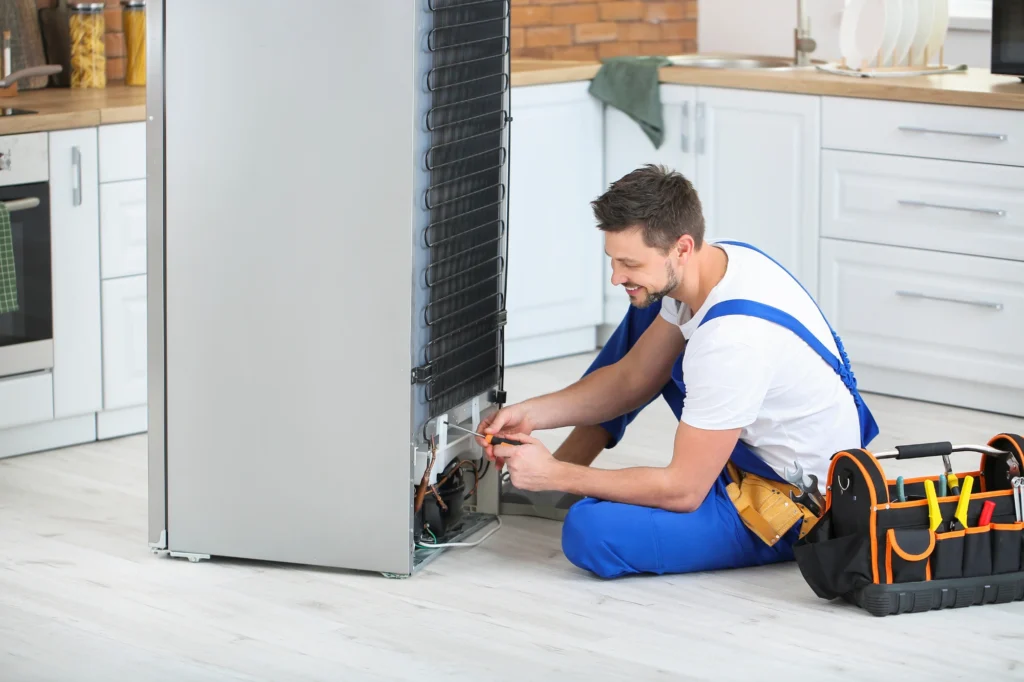
Why Daewoo Fridge Repair in Remraam Is Important
Timely repair ensures that small issues do not turn into major problems.
Key benefits:
- Prevents food spoilage
- Maintains proper cooling efficiency
- Reduces electricity consumption
- Extends appliance lifespan
- Prevents compressor failure
Ignoring early warning signs can lead to expensive repairs or even complete replacement.
Common Daewoo Refrigerator Pain Points – (Remraam)
Daewoo refrigerators are designed to provide reliable cooling and long-term performance, but like any appliance, they can develop issues over time—especially in warm environments like Remraam where fridges run continuously. Understanding these common problems in detail helps homeowners identify early warning signs, reduce repair costs, and avoid sudden breakdowns.
Below is a comprehensive explanation of the most frequently reported Daewoo refrigerator problems, including their causes, impact, and practical solutions.
1. Refrigerator Not Cooling Properly
This is the most serious and commonly reported issue among users. When a refrigerator fails to maintain proper cooling, it directly affects food safety and daily routines.
Causes:
Cooling problems often occur due to compressor failure, which is the core component responsible for circulating refrigerant. Low refrigerant gas levels can also reduce cooling efficiency, especially if there is a leak in the system. Blocked airflow vents prevent cold air from circulating properly inside the fridge. Dirty condenser coils force the system to work harder, reducing efficiency. A faulty thermostat may also fail to regulate temperature correctly.
Impact:
Poor cooling leads to food spoilage, especially for dairy and perishable items. It can also cause unpleasant odors due to decaying food. Additionally, the refrigerator consumes more electricity while trying to maintain temperature, increasing energy bills.
Solution:
Regular cleaning of condenser coils and ensuring proper airflow can prevent this issue. Avoid overloading the fridge, as it blocks ventilation. If the problem continues, professional inspection is required to check the compressor and gas levels.
2. Fridge Overcooling or Freezing Food
While lack of cooling is a problem, excessive cooling can be equally frustrating. Many users experience their fridge freezing fresh food items unexpectedly.
Causes:
This issue is usually caused by a faulty thermostat that fails to regulate temperature. A damaged temperature sensor can send incorrect signals to the cooling system. Sometimes, incorrect manual settings also lead to overcooling.
Impact:
Overcooling results in frozen vegetables, fruits, and beverages. It damages food texture and reduces quality. In some cases, liquids expand and leak, creating a mess inside the fridge.
Solution:
Check and adjust the temperature settings to recommended levels. If the issue persists, the thermostat or sensor may need replacement. Professional diagnosis ensures accurate repair.
3. Water Leakage Inside Fridge
Water leakage is a common yet overlooked issue that can create hygiene problems if not addressed quickly.
Causes:
The most common cause is a blocked defrost drain, which prevents water from draining properly. A damaged or overflowing water tray can also cause leakage. Door seal issues allow warm air to enter, creating condensation that leads to water buildup.
Impact:
Water leakage results in wet shelves and compartments, making storage messy. It can also lead to mold growth inside the fridge. In severe cases, water may leak onto the kitchen floor, causing damage and safety hazards.
Solution:
Cleaning the defrost drain regularly prevents blockage. Check and replace damaged trays if needed. Ensure the door seal is intact and closing tightly to avoid condensation problems.
4. Refrigerator Not Starting
A fridge that does not turn on at all is a major concern and requires immediate attention.
Causes:
Power supply issues are the most basic cause, including faulty sockets or loose connections. A defective relay or capacitor can prevent the compressor from starting. In more serious cases, control board failure can shut down the entire system.
Impact:
When the refrigerator stops working completely, all stored food is at risk of spoilage. This can lead to significant financial loss, especially if the issue is not resolved quickly.
Solution:
First, check the power supply and ensure the fridge is properly plugged in. If electricity is not the issue, a technician should inspect internal electrical components such as the relay, capacitor, and control board.
5. Strange Noises from Fridge
Refrigerators typically produce low-level noise, but loud or unusual sounds indicate underlying problems.
Causes:
A faulty compressor may produce loud humming or buzzing sounds. Fan motor issues can create rattling or grinding noises. Ice buildup around moving components may also cause abnormal sounds.
Impact:
Noise disturbance can be irritating, especially in open kitchens or small apartments. More importantly, it signals mechanical stress that could lead to component failure if ignored.
Solution:
Defrost the fridge to remove any ice buildup. Ensure the appliance is placed on a flat surface to reduce vibration. If noise persists, internal components should be inspected by a professional.
6. Excess Frost Build-Up
Frost buildup is a common issue that affects both performance and storage capacity.
Causes:
A damaged door seal allows warm air to enter, leading to condensation and frost formation. A faulty defrost system prevents automatic removal of ice, causing accumulation over time.
Impact:
Excess frost reduces usable storage space and blocks airflow, leading to poor cooling performance. It also forces the fridge to work harder, increasing energy consumption.
Solution:
Check the door gasket and replace it if damaged. Ensure the defrost system is functioning properly. Manual defrosting may be required temporarily until repairs are completed.
7. Bad Smell Inside Fridge
A foul smell inside the refrigerator is not just unpleasant—it also indicates hygiene issues.
Causes:
Spoiled or expired food is the most common cause. Blocked drainage systems can trap water and lead to odor. Lack of regular cleaning allows bacteria and mold to grow.
Impact:
Bad odors can spread to fresh food, affecting taste and quality. It also creates an unhealthy storage environment.
Solution:
Clean the refrigerator thoroughly using mild cleaning solutions. Remove expired food regularly. Keep drainage systems clear and ensure proper air circulation inside the fridge.
Repair vs Replacement Guide
Repair if:
- Appliance is under 7 years old
- Issue is minor or moderate
- Repair cost is reasonable
Replace if:
- Compressor fails repeatedly
- Repair cost is too high
- Fridge is very old
Error Codes – Daewoo Fridge & Refrigerator Repair Remraam
Modern Daewoo refrigerators are equipped with smart diagnostic systems that display error codes whenever something goes wrong. These error codes are extremely useful because they help users and technicians quickly identify the source of the problem without guesswork. In a hot area like Remraam, where refrigerators operate continuously, understanding these codes can help prevent food spoilage, reduce repair costs, and extend appliance life.
Below is a detailed explanation of the most common Daewoo refrigerator error codes, including their causes, effects, and solutions.
1. Error Code E1 – Temperature Sensor Fault
The E1 error code indicates a problem with the temperature sensor inside the refrigerator.
Causes:
This usually happens when the sensor (thermistor) becomes faulty or loses connection due to damaged wiring. It can also occur if the sensor is no longer accurately detecting temperature.
Impact:
The refrigerator cannot properly regulate cooling, leading to overcooling or insufficient cooling. Food may freeze unexpectedly or spoil due to unstable temperature.
Solution:
The temperature sensor needs to be tested and replaced if defective. This is a technical repair and should be handled by a professional.
2. Error Code E2 – Defrost System Failure
The E2 error code signals an issue in the defrost system.
Causes:
It may be caused by a faulty defrost heater, timer malfunction, or excessive ice buildup blocking airflow.
Impact:
Frost accumulates in the freezer, reducing cooling efficiency and blocking air circulation.
Solution:
Manual defrosting may provide temporary relief, but permanent repair requires checking and replacing faulty defrost components.
3. Error Code E3 – Compressor Problem
The E3 error code indicates a serious compressor-related issue.
Causes:
Compressor failure, overheating, or electrical faults such as a damaged relay or capacitor can trigger this error.
Impact:
Cooling stops completely or becomes very weak, putting all stored food at risk.
Solution:
This is a critical issue that requires immediate professional repair. In some cases, compressor replacement may be necessary.
4. Error Code E4 – Fan Motor Error
The E4 error code appears when the internal fan is not functioning properly.
Causes:
Fan motor failure, wiring issues, or ice buildup blocking the fan blades.
Impact:
Cold air cannot circulate evenly, resulting in uneven cooling inside the fridge.
Solution:
Check for ice obstruction and defrost if needed. If the fan motor is faulty, it must be replaced.
5. Error Code E5 – Door Sensor Fault
The E5 error code indicates that the refrigerator door sensor is not working correctly.
Causes:
This may be due to a faulty door switch, misaligned door, or wiring issues.
Impact:
The fridge may think the door is open even when it is closed, leading to cooling loss and increased energy consumption.
Solution:
Ensure the door closes properly and inspect the door switch. Replacement may be required if the sensor is damaged.
6. Error Code E6 – Communication Error
The E6 error code refers to a communication problem between internal electronic components.
Causes:
Control board malfunction, loose wiring connections, or electrical interference.
Impact:
The refrigerator may behave unpredictably, stop working, or display incorrect readings.
Solution:
A professional technician is required to diagnose and repair the control board or wiring.
7. Error Code E7 – Low Voltage Problem
The E7 error code indicates unstable or insufficient power supply.
Causes:
Voltage fluctuations, faulty sockets, or inconsistent electricity supply.
Impact:
The refrigerator may restart frequently or fail to maintain proper cooling.
Solution:
Use a voltage stabilizer to protect the appliance. Electrical supply should also be checked.
8. Error Code E8 – High Temperature Warning
The E8 error code appears when the internal temperature becomes too high.
Causes:
Compressor failure, refrigerant leakage, or frequent door opening.
Impact:
Food may spoil quickly due to inadequate cooling.
Solution:
Check if the door is properly closed and reduce frequent opening. If the issue continues, professional inspection is necessary.
9. Error Code E9 – Ice Sensor Fault
The E9 error code indicates a problem with the ice or frost sensor.
Causes:
Sensor failure, wiring damage, or interference from excessive ice buildup.
Impact:
Defrost cycles may not function properly, leading to frost accumulation.
Solution:
Sensor replacement is usually required after proper diagnosis.
10. Error Code EF – Evaporator Fan Failure
The EF error code indicates a serious fan failure.
Causes:
Motor damage, severe ice blockage, or electrical issues.
Impact:
No airflow inside the fridge, causing uneven or no cooling.
Solution:
Fan motor replacement or system repair is required.
11. Error Code EC – Control Board Issue
The EC error code signals a problem with the main control board.
Causes:
Power surges, internal circuit damage, or system malfunction.
Impact:
The refrigerator may stop working or operate erratically.
Solution:
Control board repair or replacement is required, which should only be handled by professionals.
12. Error Code ED – Door Open Error
The ED error code appears when the fridge door is not properly closed.
Causes:
Damaged door seal, misaligned hinges, or faulty switch.
Impact:
Cooling efficiency drops and electricity consumption increases.
Solution:
Check door alignment and replace the gasket if necessary.
13. Error Code H1 – Temperature Imbalance
The H1 error code indicates unstable internal temperature.
Causes:
Frequent door opening, thermostat issues, or poor ventilation.
Impact:
Food storage conditions become unreliable.
Solution:
Maintain proper usage habits and inspect thermostat functionality.
14. Error Code F1 – General Fault
The F1 error code represents a general system failure.
Causes:
Sensor malfunction, electrical issues, or control board problems.
Impact:
The fridge may stop working or show inconsistent performance.
Solution:
Full system diagnosis is required by a technician.
15. Error Code F3 – Cooling System Failure
The F3 error code indicates a major cooling issue.
Causes:
Gas leakage, compressor weakness, or blocked cooling lines.
Impact:
Cooling performance drops significantly or stops completely.
Solution:
Gas refill or compressor repair may be required.
Why Choose Local Daewoo Fridge Repair in Remraam
Local technicians provide:
- Fast response time
- Affordable pricing
- Quick diagnosis
- Familiarity with common issues
Frequently Asked Questions – Daewoo Fridge & Refrigerator Repair Remraam
1. Why is my Daewoo fridge not cooling?
This problem usually happens due to compressor issues, gas leakage, or blocked airflow inside the refrigerator. When airflow is restricted, the cooling system cannot circulate cold air properly. Dirty condenser coils or a faulty thermostat can also reduce performance. In many cases, early inspection helps prevent major damage. A technician can identify the exact cause and fix it efficiently.
2. How long does repair take?
Most Daewoo fridge repairs take around 1 to 3 hours depending on the type of issue. Simple problems like cleaning coils or fixing minor blockages can be completed quickly. However, complex issues such as compressor replacement or gas refilling may take longer. Spare parts availability can also affect the total repair time. A technician will usually confirm the timeline after inspection.
3. Is water leakage serious?
Yes, water leakage in a refrigerator should be taken seriously as it can damage kitchen flooring and cabinets. It often indicates a blocked drain pipe, cracked tray, or damaged door seal. If ignored, it can lead to mold growth and hygiene problems inside the kitchen. Even small leaks can become worse over time. It is recommended to get it repaired as soon as possible.
4. Why is my fridge noisy?
A noisy fridge is usually caused by issues with the fan motor, compressor, or ice buildup inside the unit. Sometimes, loose parts or uneven placement of the refrigerator can also create vibration sounds. If the noise comes from the back, it often indicates compressor strain. Regular maintenance helps reduce such issues. Persistent noise should be checked by a professional technician.
5. Should I repair or replace?
The decision depends on the age of your fridge and the repair cost. If the repair cost is more than 50% of a new refrigerator, replacement is usually the better option. Older units may develop repeated issues, making them less cost-effective to maintain. However, minor faults in newer models are often worth repairing. A technician can help you choose the most practical solution.
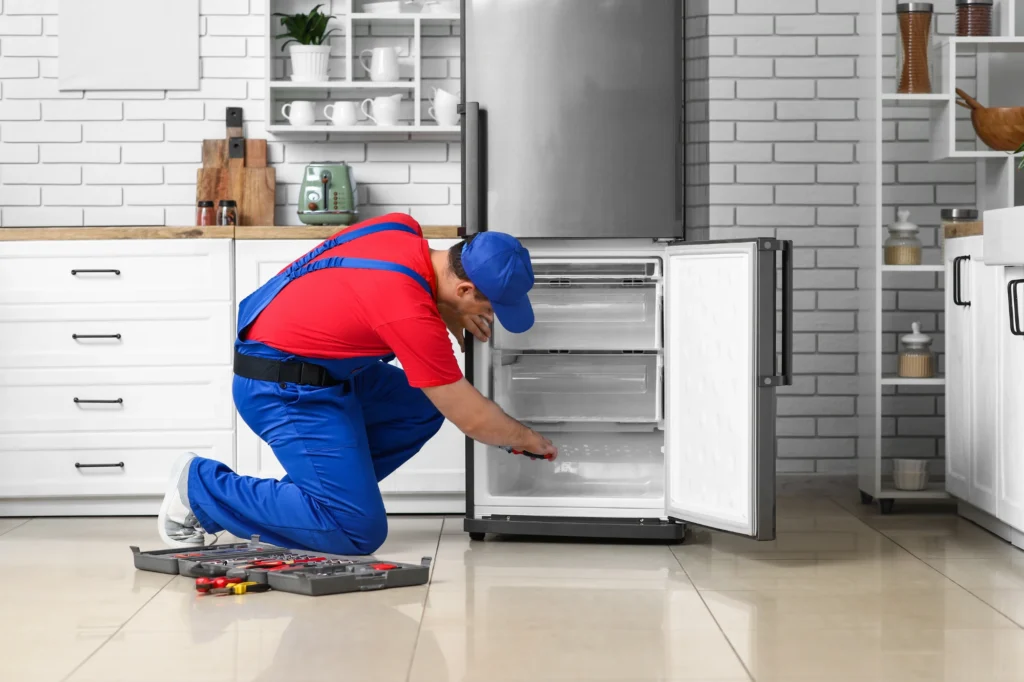
Book Fast Daewoo Fridge Repair in Remraam Today
If your Daewoo refrigerator is showing signs of trouble, delaying repair can quickly turn a small issue into a costly breakdown. Problems like weak cooling, strange noises, water leakage, or sudden shutdowns usually get worse over time if not handled properly. That is why timely action is the smartest choice for every homeowner in Remraam.
Professional Daewoo Fridge & Refrigerator Repair Remraam services ensure quick diagnosis, accurate fault detection, and long-lasting repair solutions. Instead of guessing the problem or relying on temporary fixes, trained technicians identify the root cause and restore your fridge to proper working condition. This helps protect your food, reduce electricity bills, and extend the lifespan of your appliance.
Whether it is a compressor issue, thermostat failure, gas leakage, or sensor error, expert repair service saves you from unnecessary stress and repeated breakdowns. With fast response times and proper tools, most issues can be resolved efficiently on the same visit.
Don’t wait until your refrigerator stops completely. A small delay can lead to food spoilage and higher repair costs. Get reliable, affordable, and professional help today and keep your Daewoo fridge running smoothly without interruptions.
Contact your local repair experts in Remraam now for quick service and peace of mind.