
Dishwashers have become indispensable in modern households, saving time, energy, and effort. In Al Garhoud, where busy families and professionals rely on efficient appliances, a malfunctioning dishwasher can disrupt daily routines, create hygiene issues, and increase stress. Daewoo dishwashers, while technologically advanced and durable, are not immune to wear and tear. Understanding the common problems, error codes, and professional repair options ensures your appliance continues running efficiently.
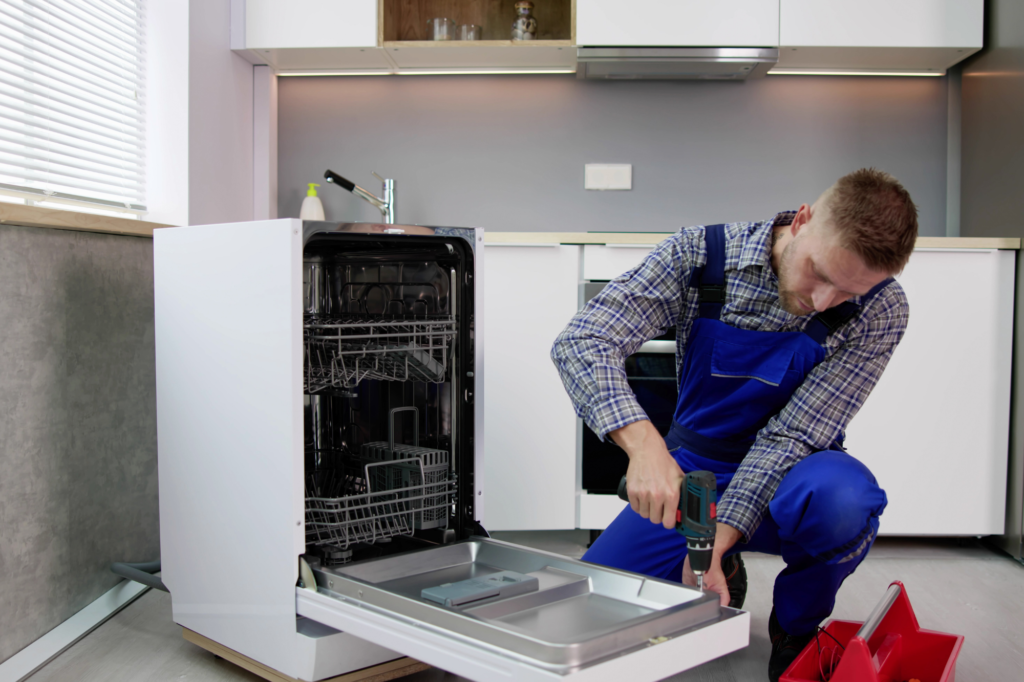
Professional Daewoo Dishwasher Repair Al Garhoud services provide expert solutions for mechanical, electrical, and electronic faults, restoring reliability, energy efficiency, and peace of mind.
Why Daewoo Dishwasher Repair Matters
Modern Daewoo dishwashers are complex appliances featuring digital control panels, water inlet and drainage systems, pumps, heating elements, sensors, and sophisticated motors. Minor malfunctions, if left unaddressed, can escalate into significant failures, causing:
- Poor cleaning performance
- Water leakage and property damage
- Electrical hazards
- Increased energy and water consumption
- High repair or replacement costs
Professional repair ensures:
- Accurate diagnosis of faults
- Use of certified spare parts
- Safe handling of electrical and mechanical components
- Long-term reliability and efficiency
Common Daewoo Dishwasher Pain Points in Al Garhoud
Daewoo dishwashers are known for their reliability and efficiency, but like all modern appliances, they can develop faults over time due to regular use, wear and tear, or environmental factors. In busy areas like Al Garhoud, where households depend heavily on appliances to maintain daily routines, even a minor dishwasher issue can quickly become a major inconvenience. Understanding common problems, their causes, and professional solutions helps homeowners take timely action and avoid costly repairs.
1. Dishwasher Not Starting
One of the most frustrating issues is when the dishwasher refuses to start altogether. This problem is often indicated by an unresponsive control panel, no water intake, or display lights that remain off.
The causes can range from simple electrical issues, such as a blown fuse or faulty power supply, to more complex faults like a defective door latch or a malfunctioning control board. Since dishwashers are designed not to operate unless the door is securely closed, even a minor latch issue can prevent the appliance from starting.
The impact of this problem is immediate. Dirty dishes pile up quickly, creating hygiene concerns and disrupting the smooth flow of household chores. Many homeowners resort to manual washing, which consumes time and effort.
Professional technicians typically inspect the power connections, reset circuit breakers, test the door mechanism, and diagnose the control board. Repairing or replacing faulty components restores normal operation efficiently.
However, the biggest pain points for homeowners include uncertainty about repair costs, wasted time, and confusion about whether the appliance is worth repairing or replacing.
2. Dishwasher Not Filling With Water
Another common issue occurs when the dishwasher starts a cycle but fails to fill with water. As a result, dishes remain dry or poorly cleaned, and error codes may appear on the display.
This problem is usually caused by a faulty water inlet valve, low water pressure in the household supply, or blocked or kinked hoses that restrict water flow. Over time, mineral buildup or debris can also contribute to this issue.
The consequences go beyond just unclean dishes. The appliance may continue running inefficiently, leading to higher electricity consumption and unnecessary strain on internal components, which can shorten its lifespan.
Professional repair involves testing the inlet valve, checking water pressure, inspecting hoses, and replacing any defective parts. Once the water flow is restored, the dishwasher can perform efficiently again.
For users, the main frustrations include repeated failed cycles, hygiene concerns, and the feeling of wasting both water and energy without achieving proper results.
3. Dishwasher Not Draining
A dishwasher that fails to drain properly can quickly become a serious concern. Common signs include standing water at the bottom of the machine, soapy residue on dishes, and unpleasant odors caused by stagnant water.
This issue is often linked to clogged filters, blocked drain pumps, or damaged drainage hoses. In some cases, the drain motor itself may be faulty and require replacement.
The impact is not only inconvenient but also potentially hazardous. Stagnant water can lead to bacterial growth, foul smells, and even water leakage that damages surrounding cabinets or flooring.
Professional technicians typically clean the filters, remove blockages from hoses, and test or replace the drain pump or motor. Proper drainage is essential for maintaining both appliance performance and kitchen hygiene.
Homeowners often experience stress due to constant cleaning, fear of water damage, and the inconvenience of having a non-functional dishwasher.
4. Dishes Not Cleaning Properly
When a dishwasher runs but fails to clean dishes effectively, it defeats its primary purpose. This issue is usually identified by leftover food particles, cloudy glassware, or visible spots on plates.
Common causes include clogged spray arms, dirty filters, incorrect detergent usage, or problems with the heating element that prevent water from reaching the optimal temperature.
The result is poor cleaning performance, which can raise hygiene concerns and lead to dissatisfaction with the appliance. Additionally, users may end up using more detergent and running multiple cycles, increasing operational costs.
Professional servicing involves cleaning spray arms and filters, checking water temperature, inspecting heating elements, and guiding users on proper detergent use.
The key pain points here include wasted time, repeated washing cycles, and frustration over not achieving expected results despite using a modern appliance.
5. Excessive Noise During Operation
Dishwashers are designed to operate quietly, so unusual noises such as grinding, rattling, or buzzing can be alarming. These sounds often indicate underlying mechanical issues.
The causes may include worn-out bearings, loose internal components, or debris trapped in spray arms or filters. Ignoring these noises can lead to more severe damage over time.
Excessive noise not only disrupts the peace of the household but can also signal impending mechanical failure. This is especially problematic in open-plan homes where noise travels easily.
Technicians address this issue by inspecting internal components, tightening loose parts, removing debris, and replacing worn-out bearings or motors as needed.
For homeowners, the main concerns include anxiety about potential breakdowns, disturbance to daily life, and the risk of more expensive repairs if the issue is not addressed promptly.
6. Dishwasher Leaking Water
Water leakage is one of the most serious dishwasher problems and requires immediate attention. It is typically identified by puddles on the kitchen floor or water dripping from the appliance.
Leaks are commonly caused by damaged door gaskets, cracked or loose hoses, or faulty pump seals and float switches. Over time, wear and tear can weaken these components, leading to water escape.
The impact can be severe, including property damage, mold growth, and even electrical hazards in the kitchen. In homes with children or elderly residents, this poses additional safety risks.
Professional repair involves replacing worn-out gaskets, tightening or replacing hoses, sealing leaks, and ensuring proper alignment of the dishwasher door.
Homeowners often feel stressed due to the urgency of the situation, concerns about repair costs, and the potential damage to their property.
Maintenance Tips to Prevent Problems
- Clean filters and spray arms regularly
- Avoid overloading the dishwasher
- Use recommended detergents
- Inspect water inlet and drainage hoses
- Schedule annual professional servicing
Daewoo Dishwasher Error Codes Explained
Modern Daewoo dishwashers are equipped with advanced diagnostic systems that display error codes whenever something goes wrong. These codes are designed to help users and technicians quickly identify faults, prevent further damage, and restore the appliance efficiently. Understanding these error codes can save time, reduce stress, and help you decide when professional repair is necessary.
Below is a comprehensive guide to common Daewoo dishwasher error codes, their meanings, causes, impacts, and solutions.
1. E1 – Water Inlet Error
Meaning:
The dishwasher is not receiving enough water or is taking too long to fill.
Common Causes:
- Low household water pressure
- Faulty or clogged water inlet valve
- Blocked or kinked inlet hose
- Dirty water filter
Impact:
Without sufficient water, the dishwasher cannot clean dishes effectively. Running cycles repeatedly wastes electricity and increases utility bills.
Professional Solution:
Technicians inspect the inlet valve, clean or replace filters, and ensure proper water pressure. Damaged hoses or valves are replaced to restore normal water flow.
User Pain Points:
- Dishes remain dirty after cycles
- Frustration with repeated failures
- Concern about water and energy waste
2. E2 – Drainage Error
Meaning:
The dishwasher is unable to drain water properly.
Common Causes:
- Clogged drain hose or filter
- Blocked or faulty drain pump
- Debris buildup inside the system
Impact:
Standing water creates foul odors, hygiene issues, and potential bacterial growth. It can also lead to water leakage if not addressed.
Professional Solution:
Experts clean filters, unclog hoses, and test or replace the drain pump to ensure proper drainage.
User Pain Points:
- Persistent bad smell from the dishwasher
- Need for frequent manual cleaning
- Fear of water damage in the kitchen
3. E3 – Heating Error
Meaning:
The dishwasher is unable to heat water to the required temperature.
Common Causes:
- Faulty heating element
- Malfunctioning thermostat
- Wiring or control board issues
Impact:
Hot water is essential for effective cleaning and sanitization. Without proper heating, dishes remain greasy and unhygienic.
Professional Solution:
Technicians test the heating element and thermostat, repair wiring issues, and replace defective components.
User Pain Points:
- Poor cleaning results
- Increased detergent usage
- Repeated wash cycles
4. E4 – Water Leakage Error
Meaning:
The dishwasher has detected a leak inside or underneath the unit.
Common Causes:
- Damaged door gasket
- Loose or cracked hoses
- Faulty pump seals
- Overflow due to excessive water
Impact:
Water leakage can damage flooring, cabinets, and nearby electrical components. It also poses safety risks, especially in households with children.
Professional Solution:
Technicians identify the source of the leak, replace worn-out seals or hoses, and ensure the appliance is properly sealed.
User Pain Points:
- Stress over property damage
- Urgency for immediate repair
- Safety concerns
5. E5 – Overfill Error
Meaning:
The dishwasher is taking in too much water.
Common Causes:
- Faulty float switch
- Defective water inlet valve
- Control board malfunction
Impact:
Excess water can lead to leaks, inefficient washing, and strain on internal components.
Professional Solution:
Repair involves checking the float switch, testing the inlet valve, and repairing or replacing the control board if necessary.
User Pain Points:
- Risk of water overflow
- Increased repair urgency
- Fear of appliance damage
6. E6 – Water Level Sensor Error
Meaning:
The dishwasher cannot correctly detect water levels.
Common Causes:
- Faulty water level sensor
- Wiring issues
- Control board faults
Impact:
Incorrect water levels affect cleaning performance and may lead to overfilling or insufficient washing.
Professional Solution:
Technicians test sensors, repair wiring, and recalibrate or replace components.
User Pain Points:
- Inconsistent washing results
- Confusion about appliance behavior
- Frequent interruptions during cycles
7. E7 – Motor or Circulation Error
Meaning:
The circulation motor is not functioning properly.
Common Causes:
- Motor failure
- Blockage in spray arms
- Electrical faults
Impact:
Without proper water circulation, dishes are not cleaned evenly, leaving residues behind.
Professional Solution:
Experts inspect and repair the motor, clean spray arms, and replace faulty components.
User Pain Points:
- Uneven cleaning results
- Noise during operation
- Concern over major repair cost
8. E8 – Temperature Sensor Error
Meaning:
The temperature sensor is malfunctioning.
Common Causes:
- Defective sensor
- Wiring issues
- Control board problems
Impact:
Incorrect temperature readings affect washing efficiency and may damage delicate dishes.
Professional Solution:
Technicians replace the faulty sensor and ensure proper communication with the control system.
User Pain Points:
- Unreliable performance
- Risk of damaging utensils
- Repeated service needs
9. E9 – Door Lock Error
Meaning:
The dishwasher door is not properly closed or locked.
Common Causes:
- Faulty door latch
- Misaligned door
- Worn-out locking mechanism
Impact:
The dishwasher will not start or may stop mid-cycle, interrupting cleaning.
Professional Solution:
Repair includes adjusting or replacing the latch and ensuring proper door alignment.
User Pain Points:
- Interrupted cycles
- Difficulty operating the appliance
- Frustration with simple yet persistent issues
10. E10 – Communication Error
Meaning:
There is a communication failure between internal electronic components.
Common Causes:
- Faulty control board
- Loose wiring connections
- Software glitches
Impact:
The dishwasher may behave unpredictably or fail to operate entirely.
Professional Solution:
Technicians diagnose electronic faults, repair wiring, or replace the control board.
User Pain Points:
- Uncertainty about the issue
- Higher repair costs
- Concern about long-term reliability
Why Choose Professional Daewoo Dishwasher Repair Services
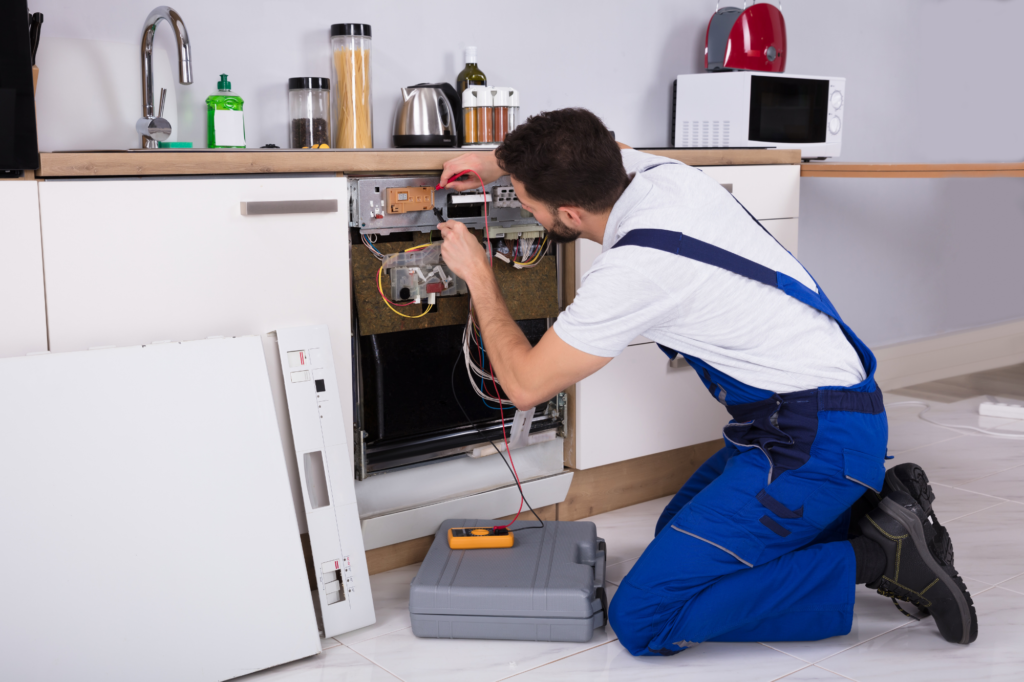
Choosing professional repair services for your Daewoo dishwasher is essential to ensure long-term performance, safety, and cost efficiency. Here are three key reasons why it’s the best decision:
1. Expert Diagnosis and Accurate Repairs
Professional technicians have the knowledge and experience to quickly identify the exact cause of dishwasher problems, including complex error codes and internal faults. Instead of relying on guesswork or temporary fixes, experts use proper diagnostic tools to resolve issues correctly the first time. This prevents recurring problems and ensures your appliance operates efficiently.
2. Time and Cost Efficiency
Attempting DIY repairs can often lead to bigger issues, increased expenses, and wasted time. Professionals complete repairs quickly and efficiently, saving you from repeated trial-and-error attempts. They also help extend the lifespan of your dishwasher, reducing the need for costly replacements and lowering long-term maintenance costs.
3. Safety and Warranty Protection
Dishwashers involve electrical components and water connections, making repairs potentially risky. Certified technicians follow safety standards to prevent electrical hazards, leaks, or further damage. Additionally, professional repairs help maintain your appliance’s warranty, ensuring you remain covered for future issues.
Frequently Asked Questions
How long does a Daewoo dishwasher last?
A Daewoo dishwasher typically lasts between 8–12 years when properly maintained. Regular cleaning of filters, spray arms, and using the correct detergent can extend its lifespan. Water quality and usage frequency also play a significant role in durability. Timely repairs and servicing help prevent minor issues from turning into major failures.
Can I use the dishwasher with an error code?
It is not recommended to use the dishwasher when an error code is displayed. Error codes indicate underlying problems that may worsen if ignored. Continuing operation can damage internal components and increase repair costs. It may also void the manufacturer’s warranty, making future repairs more expensive.
Is DIY repair safe?
Basic maintenance tasks like cleaning filters or checking hoses are generally safe to do yourself. However, internal electrical or mechanical repairs can be dangerous without proper knowledge. Dishwashers involve water and electricity, increasing the risk of injury or further damage. It is always safer to rely on certified technicians for complex issues.
How quickly can repairs be done?
Repair time depends on the nature of the problem and availability of spare parts. Minor issues such as clogged filters or simple adjustments can be resolved within 1–2 hours. More complex problems like motor or control board repairs may take 2–4 hours or longer. Professional technicians aim to complete repairs as efficiently as possible.
Do repair services offer warranties?
Yes, most professional repair services provide warranties on both parts and labor. These warranties typically range from 30 days to 12 months, depending on the service provider and components used. A warranty ensures peace of mind and protects against recurring issues. Always confirm warranty terms before proceeding with repairs.
Book Your Daewoo Dishwasher Repair Today
Daewoo dishwashers are essential appliances in Al Garhoud households, but like any complex machinery, they are susceptible to faults. Common issues include water inlet problems, drainage failures, heating errors, door lock malfunctions, leaks, noisy operation, and poor cleaning performance. Modern dishwashers’ digital systems display error codes such as E1, E2, E3, E4, E5, and CE, which should never be ignored.
Professional Daewoo Dishwasher Repair Al Garhoud services provide:
- Accurate diagnosis of faults
- Certified spare parts replacement
- Safe handling of electrical and mechanical systems
- Efficient, long-term repair solutions
Timely repair prevents costly replacements, reduces downtime, protects household hygiene, and restores peace of mind. Don’t wait until a small fault escalates—schedule professional service to keep your dishwasher running efficiently, safely, and reliably.