
In today’s fast-paced lifestyle, cloth dryers have become an essential appliance for households, students, and businesses in Academic City. Whether you are managing a busy family routine, running a student accommodation, or handling laundry for a commercial setup, a Daewoo cloth dryer plays a vital role in saving time and ensuring convenience. However, like any appliance, dryers are subject to wear and tear, electrical issues, and environmental factors that can lead to unexpected breakdowns.
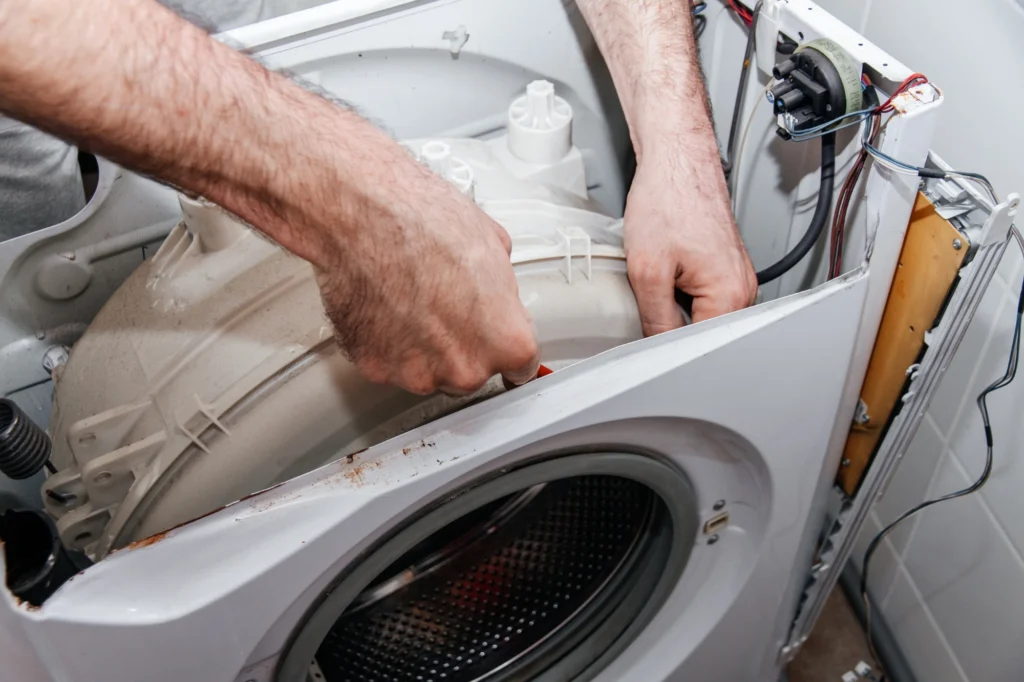
When your appliance stops working properly, professional Daewoo Cloth Dryer Repair Academic City services become crucial. From minor issues like lint blockage to major faults such as motor failure or heating problems, timely repair ensures your dryer operates efficiently and safely.
Types of Daewoo Cloth Dryers and Their Repair Needs
Daewoo manufactures different types of cloth dryers designed to meet various household and commercial requirements. Each type comes with unique features and potential repair concerns.
1. Ventless (Condenser) Dryers
Description:
These dryers collect moisture from clothes and store it in a water tank instead of venting it outside.
Common Repair Needs:
- Water leakage issues
- Blocked condenser unit
- Pump or drainage failure
Repair Considerations:
Technicians often inspect the water tank, drainage system, and condenser for blockages or damage.
2. Vented Dryers
Description:
Vented dryers expel moist air outside through a duct, making them efficient for quick drying.
Common Repair Needs:
- Blocked vent ducts
- Overheating due to airflow restrictions
- Heating element issues
Repair Considerations:
Proper airflow inspection is critical to prevent overheating and improve efficiency.
3. Heat Pump Dryers
Description:
These advanced dryers use heat pump technology for energy-efficient drying.
Common Repair Needs:
- Sensor malfunctions
- Compressor issues
- Control board errors
Repair Considerations:
Due to complex systems, these dryers require professional handling for accurate diagnosis.
Common Pain Points Requiring Daewoo Cloth Dryer Repair Academic City
Cloth dryers are essential appliances in modern households and commercial environments, especially in a fast-paced area like Academic City. From students managing tight schedules to families handling daily laundry loads, dryers operate under continuous demand. Over time, this constant usage leads to wear and tear, making the appliance vulnerable to various mechanical and electrical issues. Recognizing these common pain points early can help prevent serious breakdowns and reduce repair costs through timely Daewoo Cloth Dryer Repair Academic City services.
1. Dryer Not Heating
One of the most frequent and frustrating problems is when the dryer runs normally but fails to produce heat. This issue makes the appliance almost useless, as clothes remain damp even after completing a full cycle.
Causes:
The most common cause is a faulty heating element that can burn out over time due to continuous usage. A blown thermal fuse may also cut off heat as a safety measure when the dryer overheats. Additionally, a defective thermostat can prevent the dryer from regulating temperature correctly.
Impact:
Without proper heating, clothes require multiple cycles to dry, leading to increased electricity consumption and longer laundry times. This not only wastes energy but also places extra strain on the dryer’s internal components.
2. Dryer Taking Too Long to Dry
Another common issue is when the dryer takes significantly longer than usual to dry clothes. Even if heat is present, inefficient drying can disrupt daily routines.
Causes:
Blocked lint filters and clogged ventilation systems are the primary reasons for restricted airflow. Overloading the dryer drum can also prevent proper air circulation. In some cases, reduced heating efficiency or partially damaged heating elements contribute to longer drying times.
Impact:
Extended drying cycles result in higher electricity bills and unnecessary delays. Over time, this inefficiency can also affect the overall performance and lifespan of the appliance.
3. Dryer Drum Not Spinning
The drum plays a critical role in evenly distributing heat across clothes. When it stops spinning, the drying process becomes ineffective.
Causes:
A broken or worn-out drum belt is one of the most common reasons for this issue. Motor failure or worn drum rollers can also prevent proper rotation. Continuous overloading can accelerate wear and tear on these components.
Impact:
Clothes remain in one position, leading to uneven drying. Ignoring this issue can put additional strain on the motor, potentially leading to more expensive repairs or complete appliance failure.
4. Unusual Noises
Dryers typically produce a low humming sound during operation. However, loud or unusual noises such as grinding, squeaking, or rattling indicate internal problems.
Causes:
Worn bearings, loose internal components, or damaged fans can create these sounds. Over time, parts may become misaligned or worn out due to constant usage.
Impact:
Ignoring unusual noises can lead to further internal damage. What starts as a minor issue may escalate into a major mechanical failure, increasing repair costs significantly.
5. Dryer Stops Mid-Cycle
A dryer that shuts off unexpectedly during operation can be highly inconvenient, especially when dealing with large laundry loads.
Causes:
Overheating is a common reason, often triggered by blocked airflow or excessive lint buildup. Electrical faults, such as a malfunctioning control board or faulty wiring, can also interrupt the cycle.
Impact:
This issue leads to incomplete drying and wasted time. Repeated interruptions can also damage internal components and reduce the overall efficiency of the dryer.
6. Water Leakage
Water leakage is particularly common in condenser dryers, which collect moisture from clothes during the drying process.
Causes:
Blocked drainage systems, damaged water tanks, or faulty pumps can prevent proper water collection and disposal. In some cases, cracks in the tank or hose connections may also cause leaks.
Impact:
Water leakage can damage flooring, cabinets, and nearby appliances. It also creates a risk of mold growth and unpleasant odors if not addressed promptly.
7. Burning Smell
A burning smell coming from the dryer is a serious warning sign that should never be ignored.
Causes:
Lint buildup inside the dryer is a major cause, as lint is highly flammable. Electrical faults, such as damaged wiring or overheating components, can also produce a burning odor.
Impact:
This issue poses a significant fire hazard and can lead to severe damage to the appliance. Immediate professional intervention is necessary to ensure safety and prevent further risks.
Repair vs Replacement: What Should You Choose?
Choose Repair If:
- Dryer is under 8–10 years old
- Repair cost is affordable
- Problem is minor
Consider Replacement If:
- Dryer is over 10–12 years old
- Frequent breakdowns occur
- Energy efficiency is poor
Professional technicians can assess your appliance and recommend the best option.
Understanding Error Codes in Daewoo Cloth Dryers: Academic City Guide
Modern Daewoo cloth dryers are equipped with advanced electronics and sensors designed to optimize drying performance, improve energy efficiency, and prevent damage to clothes. However, even the most reliable appliances can develop faults over time due to wear and tear, electrical surges, or blocked components. When issues occur, Daewoo dryers often display error codes on their control panel. These codes serve as diagnostic tools, helping homeowners and technicians identify the root cause quickly. Understanding these error codes is essential for ensuring prompt repairs and safe operation of your dryer.
In Academic City, where residents rely on efficient laundry solutions for busy households and student accommodations, knowing what these codes mean can prevent minor problems from becoming costly repairs.
Why Error Codes Matter
Error codes are more than just cryptic messages—they provide a roadmap for diagnosing dryer problems. Ignoring an error code can lead to:
- Complete dryer malfunction
- Fire hazards from electrical faults or overheating
- Increased energy consumption
- Damage to clothes or dryer components
Professional Daewoo Cloth Dryer Repair Academic City technicians use these codes to pinpoint the issue, reducing repair time and avoiding unnecessary replacement of parts.
Common Daewoo Dryer Error Codes
Daewoo cloth dryers typically display a combination of letters and numbers to indicate faults. Below are the most frequent error codes and their meanings:
E1 – Temperature Sensor Fault
Description:
The E1 error signals a problem with the dryer’s temperature sensor. This sensor monitors the internal heat of the drum to maintain proper drying cycles.
Symptoms:
- Clothes not drying evenly
- Overheating during cycles
- Dryer stops unexpectedly
Causes:
- Faulty or worn-out temperature sensor
- Loose or damaged wiring
- Control board malfunction
Professional Solution:
Technicians inspect the sensor and wiring, replacing faulty components. Accurate temperature monitoring restores safe and efficient drying performance.
E2 – Door Lock Error
Description:
E2 occurs when the dryer fails to detect that the door is securely closed, preventing the dryer from starting.
Symptoms:
- Dryer does not start
- Door appears closed but is not recognized
- Intermittent power issues
Causes:
- Faulty door latch or sensor
- Misaligned door hinges
- Electrical connection problems
Professional Solution:
A certified technician tests the door switch and sensors, replacing defective parts. Proper door alignment ensures that the dryer only operates when safe.
E3 – Heating Element Failure
Description:
This code indicates that the heating element is malfunctioning or has stopped producing heat.
Symptoms:
- Dryer runs but produces no heat
- Clothes remain wet after full cycles
- Extended drying times
Causes:
- Burned-out heating element
- Blown thermal fuse
- Wiring faults connecting the element to the control board
Professional Solution:
Technicians inspect the heating element, fuses, and associated wiring. Replacement of faulty components restores proper heat generation, improving drying efficiency.
E4 – Motor Overload / Drum Not Spinning
Description:
E4 indicates a problem with the drum motor or rotation system, preventing the dryer from spinning correctly.
Symptoms:
- Humming or buzzing noises
- Drum stationary
- Uneven drying
Causes:
- Motor overload due to excessive weight in the drum
- Worn motor components or belts
- Obstructed drum rollers
Professional Solution:
Technicians examine the motor, belt, and rollers, replacing damaged components. Proper drum rotation ensures even drying and reduces strain on the dryer motor.
E5 – Water Tank or Condenser Error (for condenser models)
Description:
This code appears when the dryer detects a problem with water collection or condensation.
Symptoms:
- Water leakage
- Incomplete drying
- Continuous error alerts
Causes:
- Blocked water tank or drainage hose
- Faulty pump
- Sensor malfunction detecting water levels
Professional Solution:
Certified technicians clean blocked drainage systems, repair pumps, and replace faulty sensors. Ensuring proper water collection prevents leaks and maintains dryer efficiency.
E6 – Control Board / Electrical Fault
Description:
E6 indicates an electrical problem within the dryer’s main control board.
Symptoms:
- Dryer fails to start or stops mid-cycle
- Random error codes appear
- Buttons or display unresponsive
Causes:
- Electrical surges
- Moisture exposure to the control board
- Component failure due to age or overuse
Professional Solution:
Technicians perform a full diagnostic on the control board, repairing or replacing it if necessary. Ensuring electrical integrity protects the dryer and prevents recurring errors.
Impact of Ignoring Error Codes
Ignoring error codes can have serious consequences, including:
- Appliance Damage: Faulty sensors, heating elements, or motors can fail completely, leading to higher repair costs.
- Fire Risk: Electrical or heating faults can become fire hazards, especially if lint buildup is present.
- Energy Inefficiency: Malfunctioning components force the dryer to work harder, increasing electricity consumption.
- Clothing Damage: Uneven heating or improper drum rotation can shrink or damage fabrics.
Tips for Handling Dryer Error Codes Safely
- Do Not Attempt DIY Repairs: Dryers contain high-voltage electrical components. Improper handling can cause injury or further damage.
- Record the Code and Model Number: This information allows technicians to quickly identify the problem and bring necessary parts.
- Perform Routine Maintenance: Clean lint filters, ensure ventilation ducts are clear, and check water collection systems for condenser dryers.
- Schedule Professional Repairs Promptly: Addressing an error code early prevents it from escalating into more expensive issues.
Why Professional Daewoo Cloth Dryer Repair Academic City Matters
Professional repair services in Academic City provide:
- Certified Technicians: Trained specifically on Daewoo dryer models.
- Accurate Diagnostics: Using error codes and specialized tools to pinpoint the issue.
- Genuine Spare Parts: Ensuring long-term reliability.
- On-Site Service: Convenient repair at your home or business.
- Warranty Protection: Coverage for parts and labor, giving peace of mind.
Using expert services ensures that your dryer continues to operate safely, efficiently, and reliably for years to come.
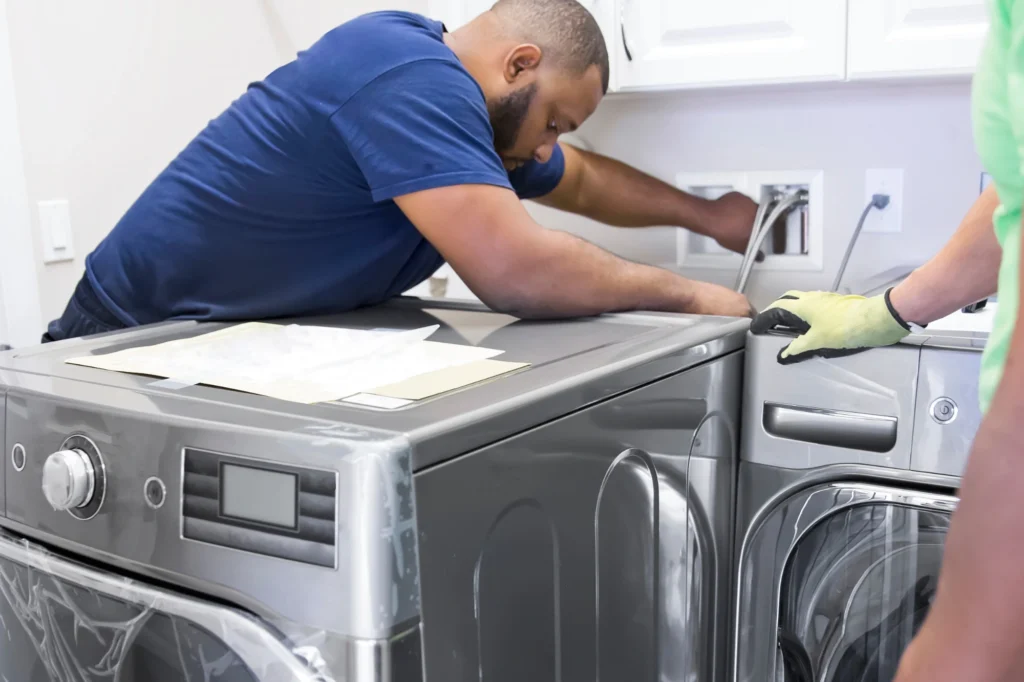
What to Expect from Professional Daewoo Cloth Dryer Repair Academic City
When you hire certified technicians, you can expect:
- Accurate diagnostics using advanced tools
- Safe electrical and mechanical repairs
- Genuine replacement parts
- On-site service in Academic City
- Warranty on parts and labor
- Transparent pricing with no hidden costs
Frequently Asked Questions (FAQs)
1. How long does a Daewoo dryer last?
With proper maintenance, regular cleaning, and timely servicing, a Daewoo dryer can last between 10–15 years. Avoid overloading the drum and ensure proper ventilation to extend its lifespan. Regular professional inspections help detect minor issues before they become major problems.
2. How long does repair take?
Minor repairs, such as replacing fuses, sensors, or door switches, typically take 1–2 hours. More complex issues, like motor replacement or control board repairs, may require several hours or a full day. Certified technicians always provide an estimated timeframe after diagnosing the problem.
3. Can I repair my dryer myself?
Basic maintenance, such as cleaning lint filters, vents, and the drum, is safe to perform at home. However, electrical and mechanical repairs should only be handled by professionals. DIY attempts on components like heating elements or motors can cause injury or further damage.
4. Why is my dryer not heating?
A dryer may fail to heat due to a faulty heating element, blown thermal fuse, or defective thermostat. Electrical faults or blocked airflow in vents can also reduce heating efficiency. Professional inspection ensures the exact cause is identified and repaired safely.
5. Do repair services include warranty?
Yes, most certified repair services provide warranties covering both parts and labor. This ensures peace of mind and protects your investment. Always confirm the warranty terms before repair to understand the coverage period and scope.
Get Fast & Reliable Daewoo Cloth Dryer Repair Academic City Today
A malfunctioning dryer can disrupt your entire routine, especially in a busy environment like Academic City. Whether your appliance is not heating, making unusual noises, leaking water, or displaying error codes, professional Daewoo Cloth Dryer Repair Academic City services provide the expertise needed to restore its performance.
Certified technicians offer quick diagnosis, reliable repairs, and long-term solutions using genuine Daewoo parts. Their experience ensures that your dryer is repaired safely and efficiently, preventing further damage and reducing energy costs.
Don’t let a faulty dryer cause unnecessary stress. Schedule your repair service today and enjoy hassle-free laundry with a fully functional appliance. With expert care and timely maintenance, your Daewoo dryer will continue to deliver efficient performance for years to come.