
Modern households depend heavily on appliances that simplify daily chores and improve efficiency. Among these essential appliances, cloth dryers play a significant role in maintaining a smooth and convenient laundry routine. In residential communities like Wadi Al Safa, where busy schedules and apartment living are common, a reliable dryer ensures clothes are dried quickly and hygienically without relying on outdoor drying spaces.
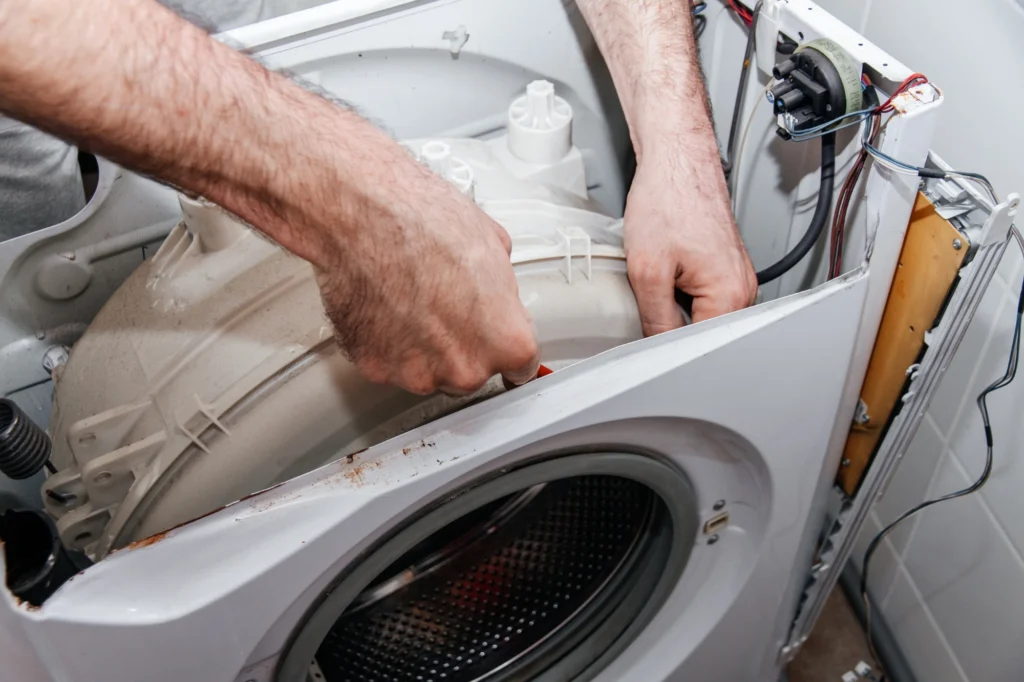
Daewoo cloth dryers are widely known for their durability, efficient drying performance, and modern technology. These appliances are designed to handle large laundry loads while maintaining fabric quality and minimizing drying time. Features such as advanced heating systems, sensor-based drying cycles, digital controls, and energy-saving technology make Daewoo dryers a popular choice for homeowners.
Importance of Professional Daewoo Cloth Dryer Repair in Wadi Al Safa
Cloth dryers are complex appliances that combine electrical, mechanical, and heating components. Each system must work together to ensure proper drying performance. When one component malfunctions, it can affect the performance of the entire appliance. For example, a faulty heating element may prevent clothes from drying properly, while a damaged drive belt may stop the drum from spinning.
Attempting DIY repairs without technical knowledge can cause additional problems such as electrical hazards, incorrect installation of parts, or permanent damage to the dryer.
Professional Daewoo Cloth Dryer Repair Wadi Al Safa technicians provide several benefits:
Accurate Diagnosis
Experienced technicians use specialized tools and diagnostic equipment to identify the root cause of dryer malfunctions quickly.
Safe Repairs
Dryers operate with high temperatures and electrical components. Professional repair ensures safe handling and proper installation of parts.
Genuine Spare Parts
Using original Daewoo replacement components ensures compatibility, durability, and reliable performance.
Faster Repairs
Professionals complete repairs efficiently, minimizing downtime and restoring the household laundry routine quickly.
Extended Appliance Lifespan
Regular maintenance and timely repairs prevent major breakdowns and prolong the life of the dryer.
For residents of Wadi Al Safa, reliable repair services ensure that their laundry appliances continue functioning efficiently despite daily usage.
Common Pain Points for Daewoo Cloth Dryers in Wadi Al Safa
Cloth dryers have become an essential household appliance, especially in busy residential communities where people rely on efficient laundry solutions to save time and maintain convenience. In areas like Wadi Al Safa, where many families lead fast-paced lifestyles, dryers play an important role in ensuring that clothes are dried quickly and hygienically. Daewoo cloth dryers are widely used because of their reliability, modern features, and energy-efficient performance.
However, like any electrical appliance, dryers can develop problems over time due to regular usage, wear and tear, electrical fluctuations, or poor maintenance. Recognizing these issues early can help homeowners prevent further damage and avoid costly repairs. Below are some of the most common pain points experienced by users of Daewoo cloth dryers and why professional repair services are often necessary.
1. Dryer Not Heating Properly
One of the most frequently reported issues with cloth dryers is the lack of proper heat during the drying cycle. In this situation, the dryer may appear to function normally, but clothes remain damp even after the cycle ends.
Symptoms
Homeowners may notice several signs indicating heating problems. Clothes may come out wet or only partially dry after a full cycle. The drum may rotate normally, yet no warm air is produced inside the dryer. Another common symptom is extended drying time, where clothes require multiple cycles before becoming completely dry.
Causes
Several technical faults can lead to this issue. The most common cause is a faulty heating element, which is responsible for generating the heat required to dry clothes. Over time, heating elements may burn out due to repeated use or electrical surges.
Other possible causes include malfunctioning thermostats, damaged wiring connections, or a blown thermal fuse. In some cases, blocked ventilation systems can restrict airflow, preventing heat from circulating properly inside the drum.
Impact
A dryer without proper heat becomes inefficient and consumes more electricity because users are forced to run additional drying cycles. This not only increases utility bills but also causes frustration and inconvenience for homeowners who rely on the appliance for daily laundry tasks.
Professional Solution
Professional technicians typically begin by inspecting the heating system, thermostats, and electrical connections. They test the heating element, check for airflow restrictions, and replace any damaged components to restore proper heating performance.
2. Dryer Not Starting
Another common problem faced by homeowners is a dryer that refuses to start. When this occurs, the appliance becomes completely unusable, disrupting daily laundry routines.
Symptoms
The control panel may remain unresponsive when the power button is pressed. In some cases, the display may light up but the dryer fails to start the drying cycle. The start button may produce no response at all.
Causes
A variety of electrical or mechanical issues can prevent a dryer from starting. A faulty door switch is one of the most common reasons. Dryers are designed with safety mechanisms that prevent operation if the door is not securely closed.
Other causes include a blown internal fuse, damaged power cord, malfunctioning electronic control board, or electrical supply issues from the household power source.
Impact
A non-functional dryer causes laundry to pile up quickly, especially in households with large families. This inconvenience can disrupt daily routines and force homeowners to seek alternative drying methods.
Professional Repair
Technicians diagnose the issue by inspecting the electrical components, testing switches, and checking the power supply. Faulty door switches, damaged wiring, or defective control boards are repaired or replaced to restore normal dryer operation.
3. Dryer Drum Not Spinning
The rotating drum is essential for effective drying because it tumbles clothes and allows hot air to circulate evenly. When the drum stops spinning, the dryer loses its ability to dry clothes properly.
Symptoms
In many cases, the dryer powers on but the drum fails to rotate. Users may hear a humming sound from the motor, indicating that the motor is attempting to operate but cannot turn the drum.
Another symptom is wet clothes that remain in the same position inside the drum because there is no tumbling motion.
Causes
A broken drive belt is one of the most common reasons for drum failure. The drive belt connects the motor to the drum, enabling rotation. Over time, belts may wear out or snap.
Other possible causes include faulty motors, damaged drum rollers, or worn bearings that prevent the drum from turning smoothly.
Impact
Without proper drum movement, heat cannot be distributed evenly across the clothes. This results in uneven drying and increased energy consumption because multiple cycles are required.
Solution
Professional repair technicians typically inspect the belt system, motor, and rollers. Replacing worn belts, repairing motors, and installing new drum rollers restore smooth drum rotation and improve drying efficiency.
4. Dryer Producing Unusual Noises
Dryers normally produce a steady humming sound during operation. However, loud or unusual noises often indicate internal mechanical problems.
Symptoms
Users may hear grinding noises, squeaking sounds, or loud banging during operation. Rattling sounds may also occur if loose components are present inside the appliance.
Causes
These noises often result from worn drum bearings or damaged rollers that support the drum. Loose internal parts or foreign objects trapped inside the drum may also create unusual sounds.
For example, small metal items such as coins or buttons left in clothing pockets can become trapped inside the dryer and produce rattling noises during operation.
Impact
Ignoring unusual sounds can lead to severe mechanical damage. Worn components may eventually fail completely, resulting in more expensive repairs or even total appliance failure.
Professional Repair
Technicians carefully inspect internal components, tighten loose parts, lubricate mechanical systems, and replace worn bearings or rollers to eliminate noise and ensure smooth operation.
5. Dryer Overheating
Overheating is one of the most serious issues that can occur in a cloth dryer. It not only affects the appliance’s performance but also poses potential safety risks.
Symptoms
Common signs of overheating include a burning smell during operation, clothes becoming excessively hot, or the dryer shutting off unexpectedly during the cycle.
Causes
The most common cause of overheating is restricted airflow caused by lint buildup inside the ventilation system. When air cannot circulate properly, heat accumulates inside the dryer.
Other possible causes include faulty thermostats, malfunctioning heating elements, or clogged lint filters that block airflow.
Impact
Overheating increases the risk of fire, damages delicate fabrics, and significantly reduces the lifespan of the dryer. Continuous overheating can also damage internal electronic components.
Solution
Professional technicians clean the ventilation system thoroughly, remove lint buildup, and inspect heating components. Faulty thermostats and heating elements are replaced to restore safe operating temperatures.
6. Dryer Taking Too Long to Dry Clothes
Efficiency problems are another common concern among dryer users. When clothes take too long to dry, the appliance may not be functioning at optimal performance.
Causes
Several factors can contribute to this issue. A clogged lint filter can restrict airflow, preventing hot air from circulating effectively. Blocked air vents or duct systems may also reduce airflow.
Additionally, weak heating elements or faulty moisture sensors may cause the dryer to misjudge when clothes are dry.
Impact
Extended drying times increase energy consumption and raise electricity bills. The appliance also experiences additional wear and tear because it must operate for longer periods.
Repair Approach
Technicians clean vents and filters, replace malfunctioning sensors, and repair heating components to restore efficient drying cycles.
7. Dryer Stopping Mid-Cycle
Some dryers suddenly stop operating before the drying cycle is completed. This issue can be frustrating because clothes remain partially wet.
Causes
A common reason is the activation of the dryer’s overheating protection system. If internal temperatures become too high, the appliance automatically shuts down to prevent damage.
Electrical issues with the control board or faulty thermostats can also interrupt the cycle.
Impact
Interrupted cycles not only delay laundry tasks but may also indicate potential safety problems that require immediate attention.
Solution
Professional technicians inspect the safety system, diagnose the root cause, and repair faulty components to ensure the dryer operates smoothly throughout the entire cycle.
Repair vs Replacement: What Should You Choose?
Homeowners often wonder whether they should repair their dryer or purchase a new one.
Repair is recommended when:
- The appliance is less than 10 years old
- The repair cost is relatively low
- The issue involves replaceable components
Replacement may be better when:
- The dryer is older than 12–15 years
- Major components repeatedly fail
- Energy efficiency has declined significantly
Professional technicians can assess the appliance and recommend the most cost-effective solution.
Understanding Daewoo Cloth Dryer Error Codes in Wadi Al Safa
Modern cloth dryers are no longer simple appliances; they are equipped with sophisticated digital diagnostic systems designed to alert users to potential problems. When something goes wrong, the dryer often displays an error code on its control panel. These codes are not just random numbers—they are precise indicators of the component or system that is malfunctioning.
For homeowners in Wadi Al Safa, understanding these error codes is critical. Early recognition of faults allows for timely intervention by professional repair services, preventing minor issues from escalating into costly repairs or total appliance failure. Certified Daewoo cloth dryer repair services in Wadi Al Safa use these codes to quickly identify the root cause of problems and restore optimal dryer performance.
Below, we provide a detailed explanation of the most common Daewoo cloth dryer error codes, their meanings, symptoms, causes, impacts, and professional solutions.
E1 – Temperature Sensor Error
Meaning:
The E1 error code indicates that the temperature sensor is unable to detect the internal heat level accurately. This sensor plays a crucial role in regulating drying cycles by monitoring the drum temperature and communicating with the control system to maintain the correct heat.
Symptoms:
- Dryer stops heating or provides insufficient heat.
- Drying cycles take longer than usual or are inconsistent.
- Clothes may remain damp even after the cycle completes.
Causes:
- A faulty or damaged temperature sensor.
- Loose or damaged wiring connections affecting sensor readings.
- Excessive lint or moisture accumulation around the sensor.
- Malfunction in the dryer’s control board misinterpreting sensor data.
Impact if Ignored:
Operating a dryer with an E1 error can lead to extended drying times, uneven heat distribution, and increased electricity consumption. Over time, the motor and heating elements may wear out due to repeated cycles, reducing the appliance’s lifespan.
Professional Solution:
Certified technicians performing Daewoo Cloth Dryer Repair Wadi Al Safa services inspect the temperature sensor using precise diagnostic tools. If defective, the sensor is replaced, and the system is recalibrated to ensure accurate temperature detection. Wiring connections are checked and secured, restoring efficient and safe operation.
E2 – Heating Element Failure
Meaning:
The E2 error code signals that the heating element has failed or is no longer producing heat. The heating element is responsible for warming the air that dries clothes inside the drum.
Symptoms:
- Dryer drum rotates normally but produces no heat.
- Clothes remain damp even after multiple cycles.
- The dryer may run longer than usual in an attempt to reach the desired temperature.
Causes:
- Burned-out or worn heating element.
- Electrical surges that damage the element.
- Faulty thermal fuse preventing current flow.
- Wiring issues disrupting power to the element.
Impact if Ignored:
A failed heating element renders the dryer nearly useless. Homeowners may attempt repeated cycles, wasting electricity and time. Prolonged operation without heat may also stress other components, including motors and sensors.
Professional Solution:
Technicians replace the defective heating element and test the electrical connections to ensure proper operation. Additional inspections may include checking thermal fuses, thermostats, and wiring to prevent recurrence. Restoring the heating system guarantees optimal drying performance and energy efficiency.
E3 – Motor Error
Meaning:
The E3 error occurs when the dryer’s motor, which rotates the drum, experiences a fault or stops functioning properly.
Symptoms:
- Drum fails to rotate despite the dryer powering on.
- Loud humming or buzzing sounds from the motor area.
- Clothes remain wet as they are not tumbled during drying.
Causes:
- Worn-out or faulty motor components.
- Obstructions preventing drum rotation.
- Damaged drum rollers or bearings.
- Electrical issues affecting motor operation.
Impact if Ignored:
A malfunctioning motor prevents proper clothes tumbling, which reduces drying efficiency and causes uneven drying. Continued operation can lead to total motor failure, making the dryer unusable.
Professional Solution:
Certified technicians inspect the motor, check drum rollers, bearings, and belts, and replace any worn or damaged parts. They also ensure electrical connections are stable. Once repaired, the drum rotates smoothly, allowing even heat distribution and effective drying.
E4 – Door Lock Error
Meaning:
The E4 error code is triggered when the dryer door is not properly secured. Modern dryers include safety mechanisms that prevent operation if the door is open or the lock is faulty.
Symptoms:
- Dryer refuses to start.
- Error code displayed on the control panel.
- Drum may not rotate, and the display may remain unresponsive.
Causes:
- Faulty or broken door switch.
- Misaligned door preventing proper engagement.
- Electrical issues affecting the door lock circuit.
Impact if Ignored:
Operating the dryer with a defective door lock is unsafe. The appliance may not function, leaving laundry unfinished, and repeated attempts to operate it may damage the control board.
Professional Solution:
Technicians inspect the door switch, realign or replace the latch mechanism, and repair any electrical faults. Ensuring the door locks properly allows the dryer to operate safely and reliably.
E5 – Ventilation Error
Meaning:
The E5 code indicates restricted airflow caused by lint buildup, clogged vents, or blocked ductwork. Proper airflow is essential to remove moisture and maintain safe operating temperatures.
Symptoms:
- Dryer overheats or shuts off unexpectedly.
- Drying cycles take longer than usual.
- Excessive lint accumulation in the drum or vent.
Causes:
- Blocked or obstructed air vents.
- Dirty or clogged lint filters.
- Kinks or damage in ducting reducing airflow.
Impact if Ignored:
Restricted airflow can cause overheating, increasing fire risk and potentially damaging the dryer’s internal components. Clothes may take longer to dry, and energy consumption rises.
Professional Solution:
Technicians thoroughly clean all vents, ducts, and lint filters. They also inspect for airflow obstructions, replace damaged duct sections, and ensure the dryer operates efficiently. Restoring proper ventilation reduces overheating risk and improves drying performance.
Cost of Daewoo Cloth Dryer Repair in Wadi Al Safa
Repair costs vary depending on the severity of the problem and the components involved.
Typical repair cost factors include:
- Type of malfunction
- Replacement parts required
- Labor time
- Appliance model
Minor repairs such as thermostat replacement or vent cleaning are usually affordable. However, major repairs like motor or control board replacement may cost more.
Professional technicians provide transparent cost estimates before beginning any repair work.
Frequently Asked Questions (FAQs)
1. How long does a cloth dryer typically last?
Most cloth dryers have an average lifespan of 10–13 years when properly maintained. Regular servicing, such as cleaning lint filters and vents, helps prevent major issues. Proper usage, avoiding overloading, and timely repairs also extend the appliance’s life. Following manufacturer guidelines ensures reliable performance throughout its lifespan.
2. Why is my dryer producing a burning smell?
A burning smell is often caused by lint buildup in the ventilation system, which restricts airflow and overheats components. It can also indicate overheating of the motor or heating element. Ignoring the smell may lead to fire hazards or serious mechanical damage. Professional inspection is recommended to identify and fix the root cause safely.
3. How often should dryer vents be cleaned?
Dryer vents should be cleaned at least once a year, or more frequently if the dryer is heavily used. Regular cleaning removes lint, debris, and blockages that reduce efficiency and create fire risks. Proper airflow improves drying performance and extends the appliance’s lifespan. Professionals can also check duct integrity during cleaning.
4. Can I repair my dryer myself?
Basic maintenance tasks like cleaning the lint filter or checking vents are safe for homeowners. However, internal repairs involving motors, heating elements, or control boards should only be handled by certified technicians. DIY attempts may void warranties, damage components, or create safety hazards. Professional services ensure correct and safe repairs.
5. Why is my dryer making loud noises?
Loud noises usually indicate mechanical wear, such as worn drum bearings, damaged rollers, or loose internal components. Foreign objects inside the drum can also cause rattling sounds. Ignoring unusual noises may lead to more serious damage and costly repairs. Professional inspection identifies the source and restores quiet, efficient operation.
Schedule Your Daewoo Dryer Repair Today
A malfunctioning dryer can quickly disrupt your daily routine. Whether your Daewoo cloth dryer is not heating, making strange noises, displaying error codes, or refusing to start, professional repair services can restore its performance efficiently.
Expert Daewoo Cloth Dryer Repair Wadi Al Safa technicians provide:
- Accurate appliance diagnostics
- Safe electrical and mechanical repairs
- Genuine spare parts replacement
- Fast on-site service
- Warranty-backed repair solutions
Do not let a small dryer issue turn into a major appliance failure. Schedule professional repair services today and keep your laundry routine running smoothly with reliable Daewoo dryer performance.